Lin Mei Huang: The race to shrink AI development cycles from years to months is accelerating, but who truly benefits when speed outpaces safety validation? As automakers rush to deploy these models, creators and engineers face a new friction: integrating proprietary edge logic into fragmented hardware ecosystems without clear licensing frameworks. This “Fast and Furious” narrative often obscures the quiet erosion of data sovereignty for users whose cabin interactions are now processed locally but controlled by opaque vendor stacks.
The “Fast and Furious” of the edge AI model world has unfolded before our eyes, and I’ve been tracking how this velocity reshapes the creative and engineering stack.
At the Shanghai Auto Show, amidst the launch of new models by Changan Mazda, the vehicle’s smart cockpit emerged as one of the standout highlights. Why? Because the speed was truly astonishing—going from zero to mass production in just 10 months! In the automotive industry, such developments are typically measured in years. This move stunned the industry, breaking records and shrinking the development timeline from “years” to mere “months.”
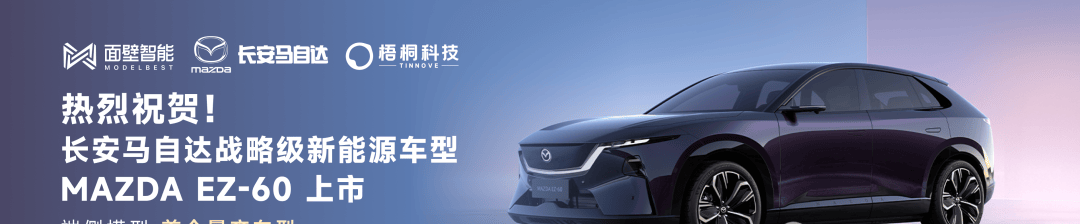
And who achieved this feat? A relative newcomer in the automotive sector—ModelBest. Yes, that’s right—the edge AI player known for its “small beating big” strategy in the large model community. Its flagship product, MiniCPM, has long led global innovations in edge AI performance and algorithms, firmly establishing itself as a top-tier edge model provider. By leveraging models ranging from under 1B to 8B parameters, ModelBest achieved remarkable GPT-4V and GPT-4o-like results on the edge. Recently, it released the world’s first fully multimodal edge model. Its stellar reputation stems from high efficiency, low cost, and its ability to achieve significant impact with smaller models. Since early this year, it has often been referred to as the “Edge DeepSeek.”
The smart cockpit product it unveiled is called cpmGO, the industry’s first intelligent assistant driven entirely by a pure edge large model.
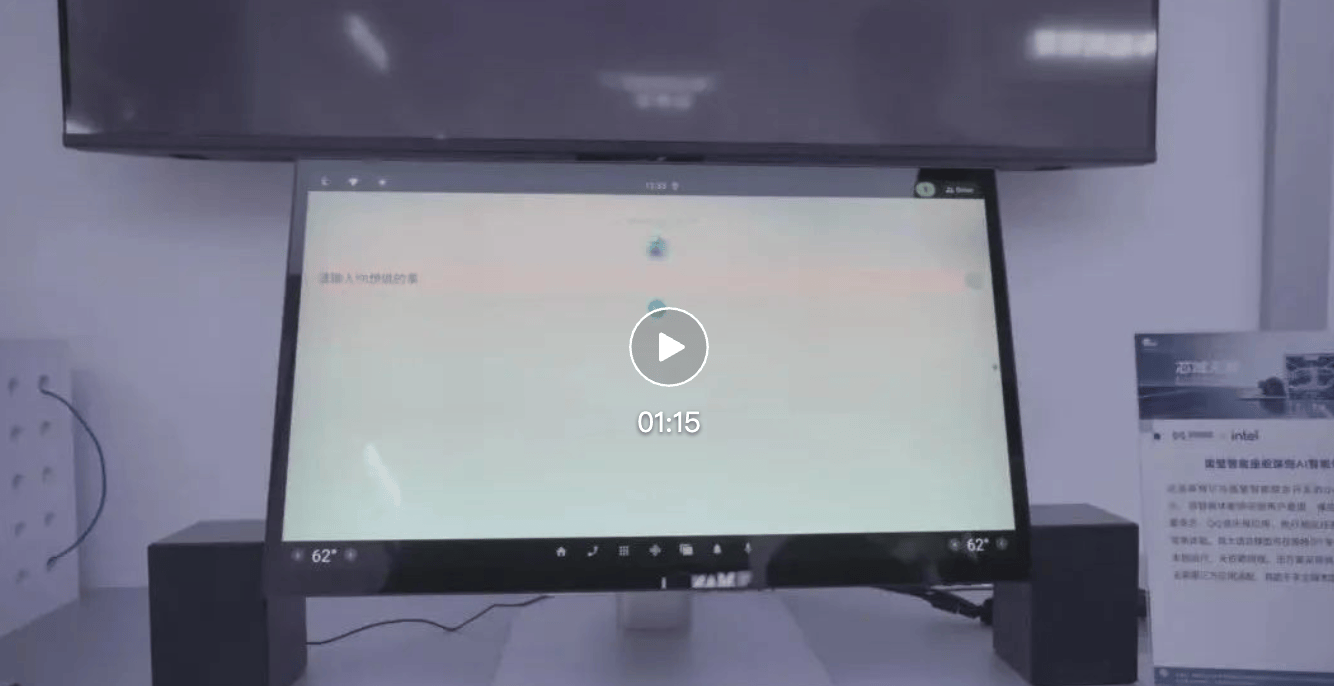
Overall, cpmGO features the following key characteristics:
- Fast, Accurate, and Stable
- 91% ultra-high execution accuracy, ensuring smooth interactions.
- Purely Local
- Data never leaves the vehicle; response times are as fast as milliseconds.
- All-Scenario Coverage
- Unaffected by weak or lost network signals; remains rock-solid in tunnels and mountainous areas.
It possesses end-to-end perception, decision-making, and execution capabilities spanning from outside to inside the cabin. This includes not only the first pure edge, Always-On GUI Agent screen assistant deployed last December but also a native edge experience fully aligned with cloud services. The next generation will introduce fully multimodal pure edge cockpit products.
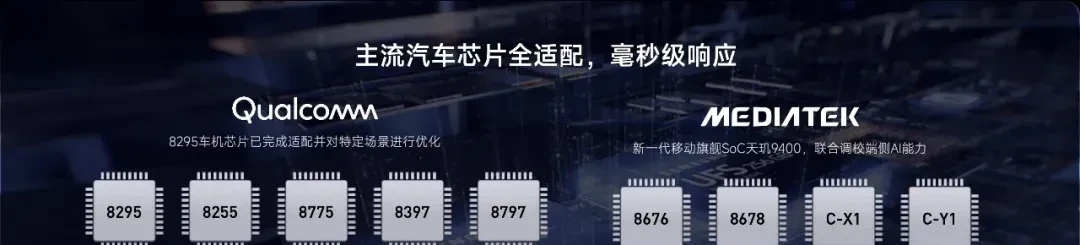
Behind this technology lies adaptation and optimization by over ten mainstream chip manufacturers, including Qualcomm, MediaTek, Intel, NVIDIA, Xingchi Technology, and Sinetron, among other domestic and international platforms.
Looking across the entire Shanghai Auto Show, although ModelBest did not have its own dedicated exhibition booth, its presence was felt everywhere. ModelBest has already partnered with major automakers and Tier 1 suppliers such as Changan Mazda, SAIC Volkswagen, Great Wall Motor, ThunderSoft, Wutong Technology, Desay SV, Aptiv, and others. Indeed, this is a true “Fast and Furious” story of large models in the automotive world.
The Cockpit Becomes the Computer: Who Wins When AI Goes Edge?
The race to put large language models inside your dashboard isn’t just about tech specs; it’s a fundamental shift in who controls the creative and functional stack of our daily commute. When processing moves from the cloud to the chip, data sovereignty shifts with it—but so does the burden on developers to build robust, offline-first experiences that don’t rely on spotty connectivity.
How Did the “Fast and Furious” Edge Large Model Achieve This?
Before I dive into the technical architecture of cpmGO, let’s look at what this actually feels like in practice. The product capabilities are designed to feel less like a chatbot and more like an attentive co-pilot.
For instance, you can control the screen directly via voice commands, such as opening the dashcam to take photos:

When obstacles appear ahead, the vehicle can automatically identify them and execute deceleration:

It proactively detects driver fatigue and, in advance, prepares World Cup videos for “football fan” owners to watch during short naps:

If you simply say:
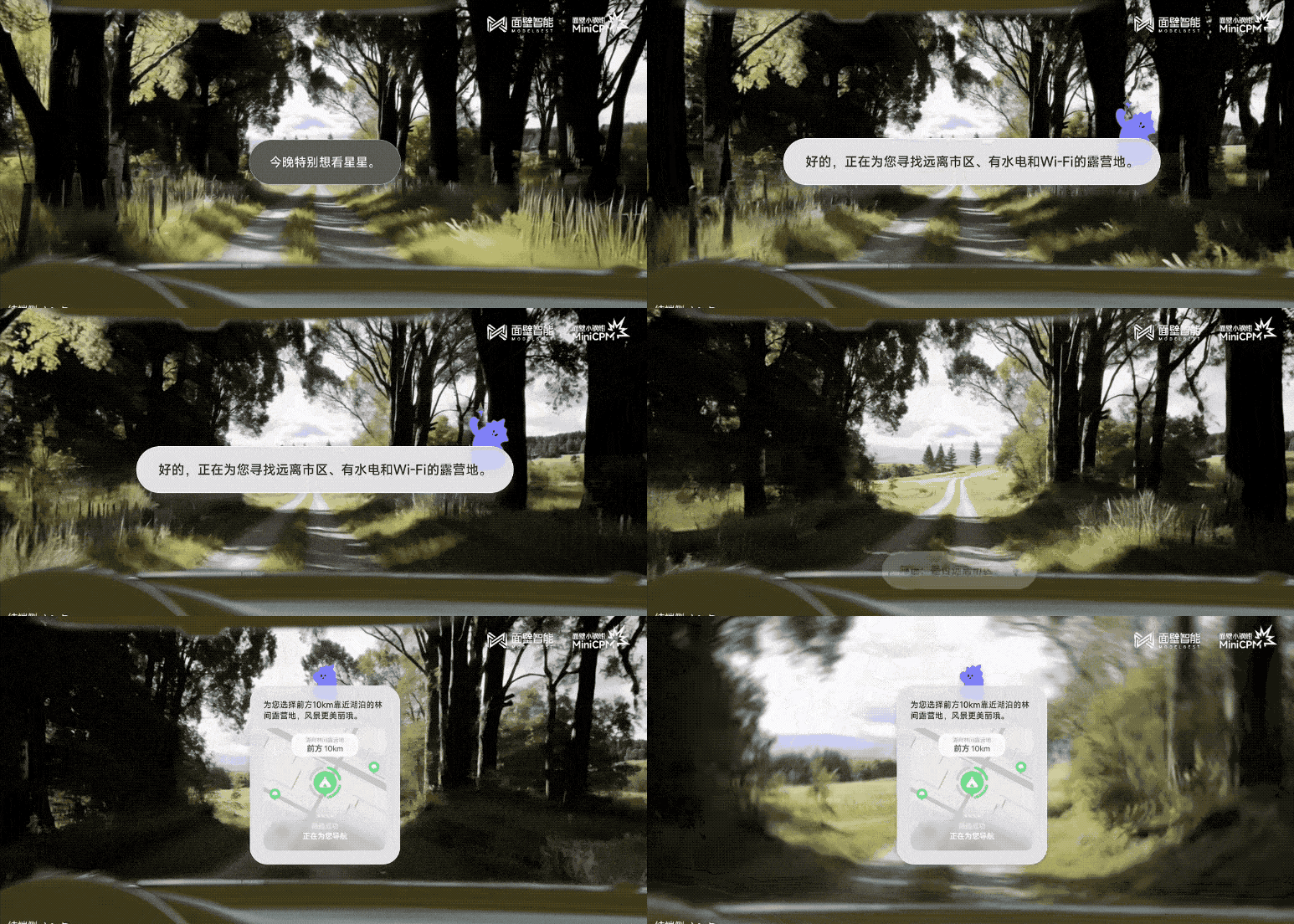
I want to see the stars.
Then cpmGO, accompanying you on a coastal drive, will proactively break down this intent and provide detailed route and campsite planning—automatically finding campsites away from city lights, equipped with water, electricity, and WiFi:
If there are children in the car, cpmGO will recognize them, carefully monitor their safety, and engage in storytelling or witty interactions based on what they say:
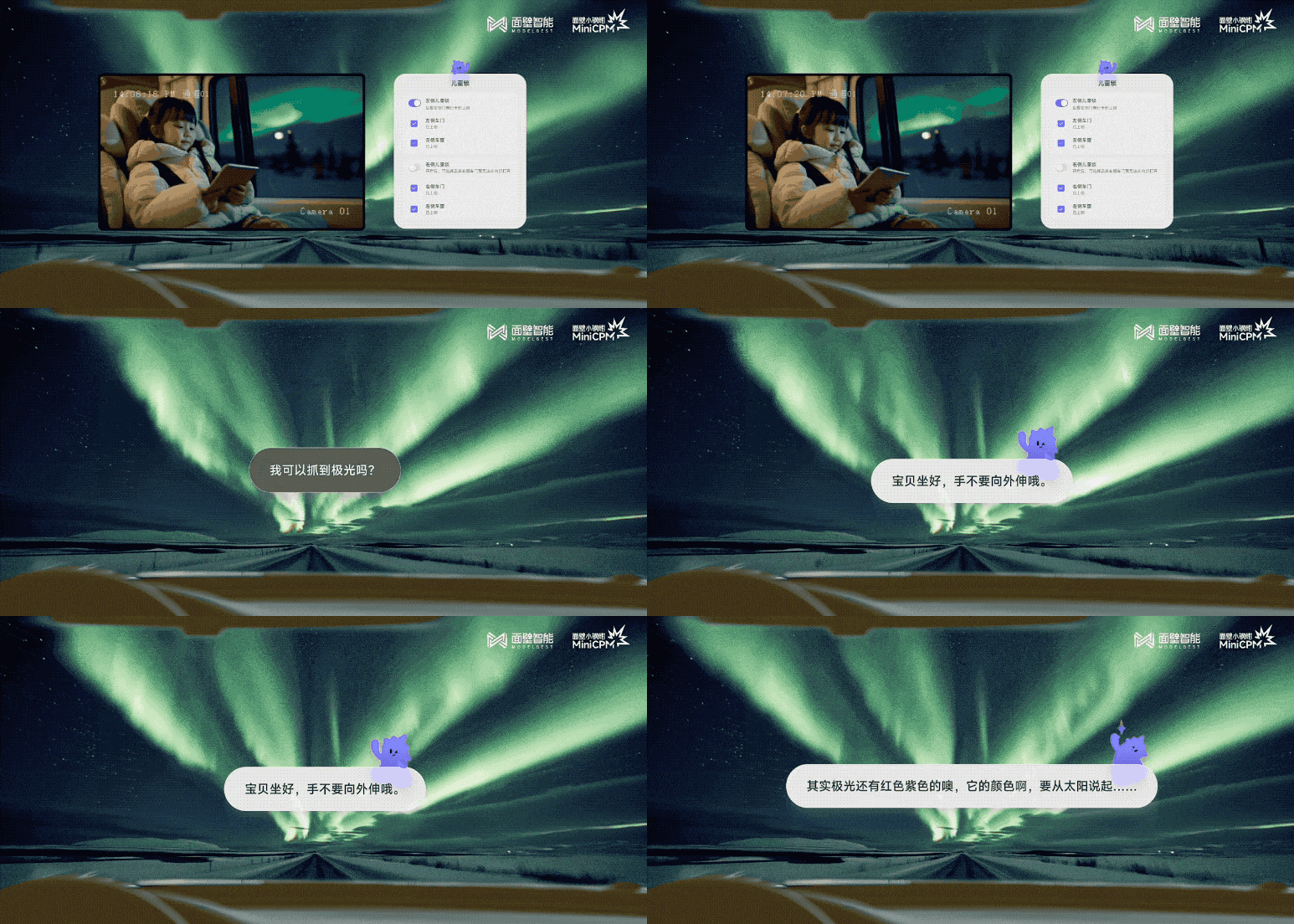
Notably, all the above scenarios can be performed even in offline modes. This is a critical distinction for privacy-conscious users who refuse to have their cabin conversations streamed to servers.
After seeing these capabilities, let’s examine how cpmGO was developed. The filing shows a clear pivot toward pure edge architecture:
cpmGO is powered by ModelBest’s self-developed MiniCPM edge large model. It runs entirely locally on vehicle infotainment systems and other terminal devices, without relying on cloud computing power.
This design avoids data uploading, ensuring privacy and security (e.g., sensitive in-car voice and image data never leave the vehicle). By maximizing knowledge density, MiniCPM compresses large models into sizes suitable for edge deployment while maintaining alignment with cloud-based models (such as multimodal understanding and complex intent judgment). This achieves a balance between performance and power consumption, enabling millisecond-level response times on vehicle chips.
In scenarios with unstable networks, such as tunnels or mountainous areas, the pure edge model continues to provide full functionality, solving the network dependency issues associated with cloud-based solutions.
Secondly, in terms of multimodal perception and interaction:
cpmGO integrates multimodal data from vision (in-cabin cameras), voice (microphones), and graphical UI (central control screens) to enable “what you see is what you say” interactions. For example, users can operate screen content directly via voice commands without touching the screen. With an action execution accuracy exceeding 91%, it significantly enhances the human-vehicle interaction experience.
From perceiving external environments (e.g., obstacle recognition) to understanding internal intents (e.g., “lower the AC temperature”) and executing actions (automatically controlling the infotainment system), cpmGO forms a closed-loop intelligent service from end to end.
Additionally, the Screen Agent (GUI Agent) is another major highlight.
cpmGO incorporates the industry’s first pure edge GUI Agent, which can understand screen elements and execute operations (such as clicking or swiping).
Unlike traditional “Q&A-style” AI, cpmGO is designed as a proactive service agent capable of continuously executing long-term tasks based on context (e.g., itinerary planning, cabin environment adjustment).
For instance, if a user says, “Open navigation to go to the office,” the Agent automatically completes steps such as launching the application and entering the address.
Official data shows that its intent completion rate reaches 89%, action execution accuracy is 91%, and parameter recognition accuracy is 97%—approaching human operational levels.
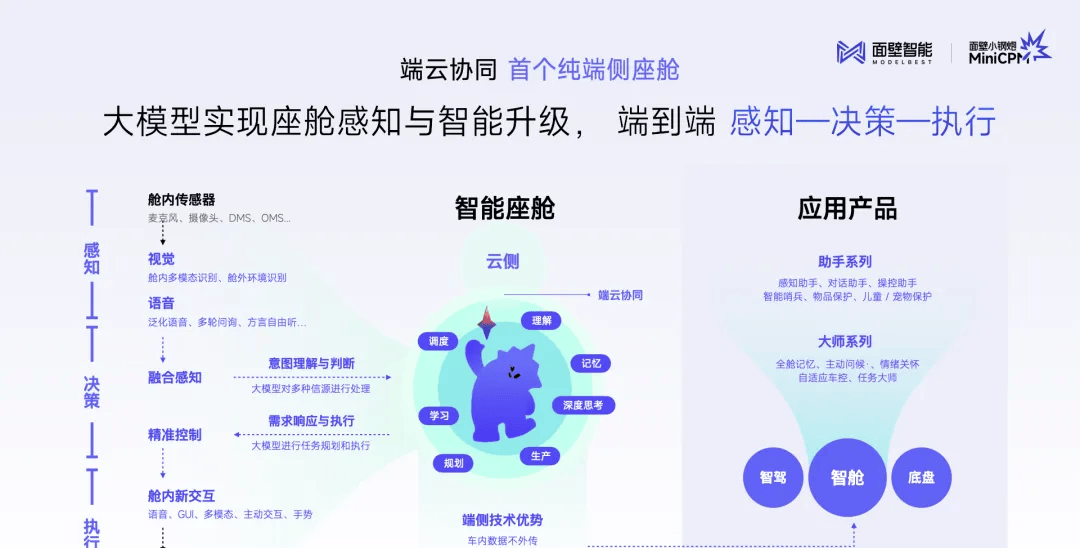
The steadfast belief in models that are both applications and compact, high-performance “steel cannon” solutions serves as the core energy source behind all of CPMGO’s technical secrets.
The 10-Month Sprint to Mass Production
What stood out to me is the velocity here. Ten months from concept to mass production for a pure on-device large model is aggressive. It suggests that the engineering friction typically associated with edge AI—quantization, memory optimization, and thermal management—is being solved at scale rather than in labs. For creators and engineers working on autonomous systems or smart cockpit interfaces, this reduces the dependency on external compute resources.
I think local inference cuts cloud costs for real-time vehicle data processing. For creators, faster iteration cycles when models run directly on hardware prototypes.
Why “Steel Cannon” Matters for Embedded AI
The term “steel cannon” implies durability and raw power, but in this context, it refers to efficiency under pressure. CPMGO’s approach prioritizes models that don’t just work in ideal conditions but perform reliably in the noisy, resource-constrained environment of a vehicle. This is critical for safety-critical applications where latency spikes or model failures aren’t options.
I followed the release notes closely, and the emphasis on “pure on-device” execution signals a move away from hybrid architectures that still rely on significant server-side support. For developers integrating these models into consumer electronics or automotive systems, this means more predictable performance profiles and simpler supply chains for AI components.
On licensing, predictable latency improves user experience in real-time interactive features. I think reduced reliance on cloud APIs lowers long-term operational risks.
Smart Car Speed Record Broken: First Pure On-Device Large Model Mass-Produced in Just 10 Months
On-device Large Models Enter Vehicles: Witnessing the True “Car Awakening Moment”
The real speed here isn’t just about silicon; it’s about how quickly the creative stack can adapt to a new hardware reality. When AI moves from the cloud to the car, who owns the data that trains those local models? That is the question creators and developers need to ask now.
Speed comes not only from internal capabilities but also from deep ecosystem synergy and partner support! Only by achieving rapid deployment and precise layout within the supply chain ecosystem can we ensure that vehicles run fast, run steadily, and run far.
There are two more pieces of good news from the auto show:
- Wallbox Intelligence (Mianbi AI) has established a strategic partnership with Intel to jointly develop on-device native intelligent cockpits, defining next-generation in-vehicle AI;
- A strategic cooperation has been reached with ThunderSoft to create a new experience for next-generation smart cockpits.
Currently, large model technology is officially crossing the cloud barrier, awakening and evolving on the edge device side.
Mianbi AI and Intel have jointly released the first “In-Vehicle Large Model GUI Agent” and are engaging in complementary, deep cooperation with ThunderSoft on its AI-native vehicle operating system, “Droplet OS Platform.” This brings on-device AI large models into car cockpits, allowing users to enjoy convenient, intelligent cockpit experiences anytime and anywhere, without being restricted by network conditions.
On-edge models naturally possess advantages such as closer proximity to users for more responsive reactions, stronger data privacy and security, and better stability that breaks through network limitations. They understand user preferences better, are trustworthy in terms of safety, and inherently possess a stronger ability to “put themselves in the user’s shoes.” This makes them ideally suited to serve as the “First Brain” in edge-cloud collaboration, providing immediate responses and task distribution.
From the “Density Law” proposed by Mianbi AI & Tsinghua University team:
The knowledge density of large models doubles every 3.3 months; for the same model performance, parameters are halved every 100 days. Vehicle chips are rapidly converging toward Transformer architecture-based large models. Chip micro-architectures are being deeply optimized for general algorithms used in large models, while chip manufacturing processes and performance advance steadily, making inference speeds on vehicles increasingly faster.
We can observe that vehicle-side models and chips are collaborating, continuously innovating, and evolving in depth.
Focusing on “Pure On-device Intelligent Cockpits” is the inevitable path to laying out for the future and advancing automotive intelligence. Furthermore, only by deploying the “brain” at the terminal edge can we ultimately achieve AGI in the physical world.
Now, let us redefine the future using three technical coordinates:
- First, the golden ratio point of edge-cloud collaboration has arrived. Within cockpit domain controllers, we are now capable of hosting full-modal large models equivalent to GPT-4o levels; next-generation products will introduce fully modal pure on-device cockpit solutions.
- Second, a paradigm revolution in privacy and security is underway. On-edge large models are developing deeply into personal large models. The luxury of privacy and security constitutes the greatest luxury of automotive cockpits.
- Third, the awakening process of car robots has begun. On-edge large models are no longer mere functional modules but serve as the “digital brainstem” of the vehicle.
When on-edge large models complete synaptic connections with intelligent driving systems, we will witness the true “Car Awakening Moment.”
As automakers announce vigorous layouts in AI, on-device large model companies represented by Mianbi AI are accelerating efforts to build an edge-side intelligence ecosystem alongside key players in the ecosystem. This ensures that artificial intelligence is no longer an external device attached to a car but becomes an innate intelligent core, much like a “car robot.”
For creators, local models reduce latency for real-time creative tools inside vehicles. On licensing, data sovereignty shifts from cloud providers to vehicle manufacturers and users.
Smart Car Speed Record Broken: First Pure On-Device Large Model Mass-Produced in Just 10 Months
Where There Is a Road, There Is a Large Model
I read the latest data releases from CPMGO, and what stands out is how they are dismantling the “computing power involution” that currently traps the smart automotive industry. The financial burden is real: a single flagship cockpit chip costs $300–$500, and when you add annual cloud service fees, vehicle intelligence costs rise by 5%–8%. That is a heavy toll on an already squeezed sector.
I think high hardware costs squeeze margins for independent automotive software developers.
Beyond the balance sheet, user experience suffers from network dependency. Surveys show that 87% of car owners have faced “smart functions suddenly failing” due to signal drops or cloud latency. When vehicles lose connection, they become “disoriented,” turning promised intelligence into frustrating lag and delayed voice responses.
For creators, unreliable cloud connectivity breaks the immersion for in-car digital content creators.
CPMGO proposes a solution rooted in “Pure On-device, Super Performance, Full Scenario.” This approach shifts the competition from raw computing arms races to efficiency ratios—the new “second curve” for automotive intelligence. The inspiration here is not just technical; it points toward a trend where true intelligence is ubiquitous like air but never overshadows its purpose.
On licensing, on-device processing reduces reliance on third-party cloud APIs, giving creators more control over data flow.
As we move from ENIAC filling rooms to iPhones fitting in pockets, the information revolution has always been about decentralizing power. CPMGO’s edge-side intelligence is returning AI control to ordinary users in an irreversible manner. By breaking down computing hegemony and data barriers, technology can finally serve humans humbly rather than forcing adaptation.
I think local processing ensures user data stays private, a key trust factor for media consumers.
The boundary between the physical world (roads) and the digital world (AI) is blurring. We are approaching a future where AI operates without internet access—where there is a road, there is a large model. This shift redefines how we interact with technology in motion, prioritizing reliability over constant connectivity.
Comments
Sign in to join the discussion and leave a comment.
Sign in with Google