
Models & Benchmarks
Releases, papers, SOTA benchmarks
Independent · Editorial · Analysis
Independent analysis, tutorials, and commentary on models, research, agents, and policy—written by our desk, sourced to primary links, open for comments.
Five lanes across the AI stack — pick a lane and dive in.
New essays and analysis from models to policy — updated as the field moves.

I share the non-negotiable questions I ask before green-lighting an enterprise AI pilot—data handling, eval ownership, exit ramps, and who is on the hook when it fails.
Read article →
I outline a practical preflight for generative image pipelines—rights, consistency, safety, provenance, and human review—so creative work survives contact with users.

I document the cost controls I use on real teams: per-feature budgets, cache discipline, model tiers, and kill switches that engineers actually respect.

I share the practical rules I use to choose between stuffing a repo into a long context window and building retrieval—without treating either as a religion.

I walk through the stop-condition checklist I use before giving coding agents autonomy—report-only mode, independent checks, and hard spend caps.
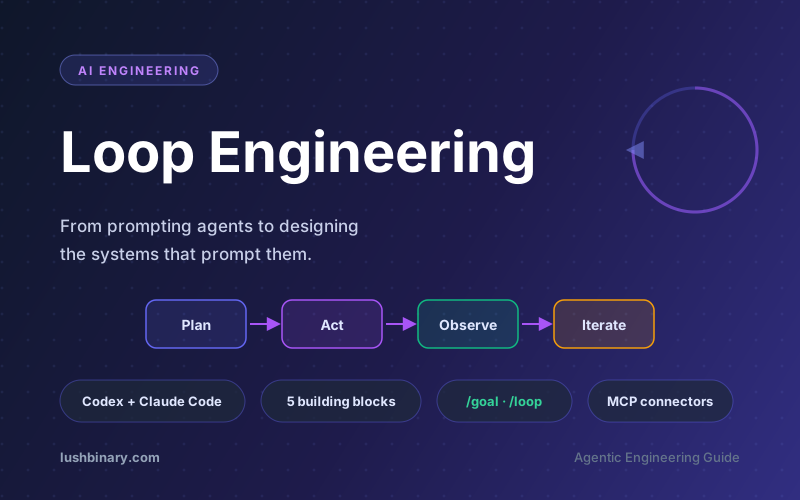
I explain loop engineering—the shift from hand-prompting coding agents to designing systems that prompt, verify, and iterate on their own—with a step-by-step tutorial, maturity ladder, and honest limits.

Tsinghua & BAAI's Brainμ model hits Science, mapping memory-sleep links. I see academic rigor, but commercial viability remains unproven.
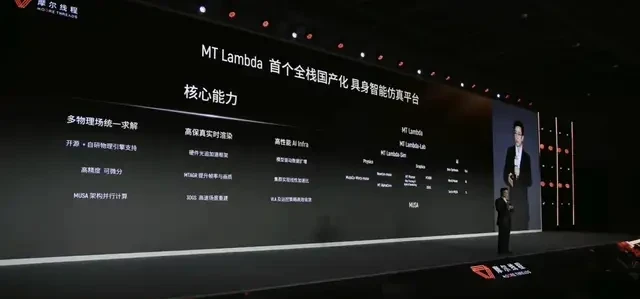
China launches a full-stack embodied AI sim using domestic GPUs, advancing the 2025-2026 agenda. Ops take: Local silicon cuts latency but risks supply chain fragility.
I analyze Qwen3.6-27B vs 35B-A3B specs to guide open-source adoption. I think benchmarking methodology remains opaque.

Tashi Zhixang unveiled AWE3.0, a non-simulated, non-VLA embodied model. I read the filing; it claims general-purpose capability without teleoperation or simulation tricks.
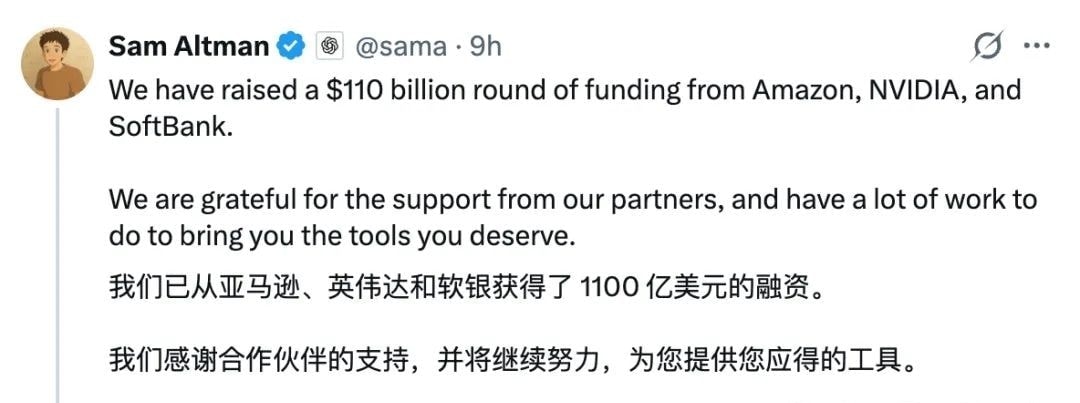
OpenAI raises $110B at $730B valuation from Nvidia, Amazon, SoftBank. I read the filings; unit economics matter more than hype.
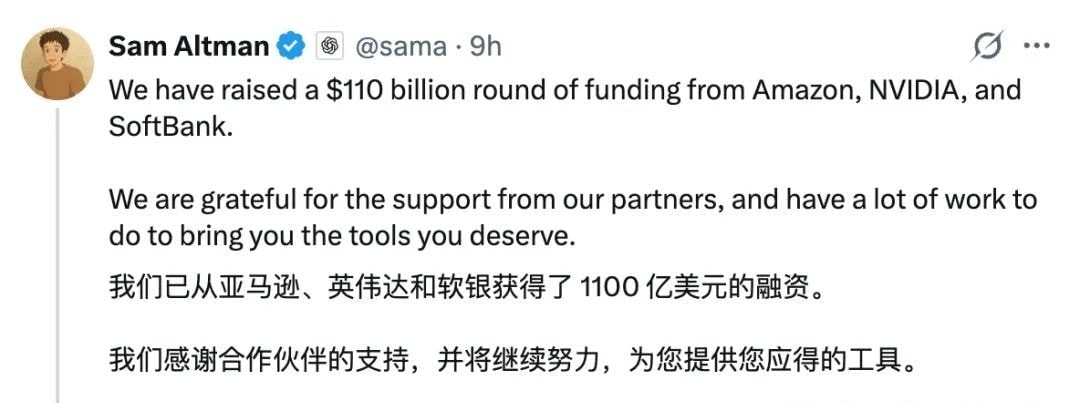
I see how OpenAI's $110B deal traps creators in a chip-compute loop, prioritizing infrastructure over fair licensing and provenance rights.
Standout essays and tutorials our desk recommends.
Sign in to comment on stories, reply to other readers, and join the discussion on JustGhostIt.


