The Musk-Altman trial is no longer just a legal dispute; it’s a valuation event. Investors are watching to see if OpenAI’s non-profit charter holds up against the reality of its commercial ambitions, and whether xAI’s reliance on distilled models creates a sustainable moat or just a liability. This week’s testimony exposes the fragile trust between Silicon Valley’s titans, directly impacting how we assess risk in AI infrastructure plays.
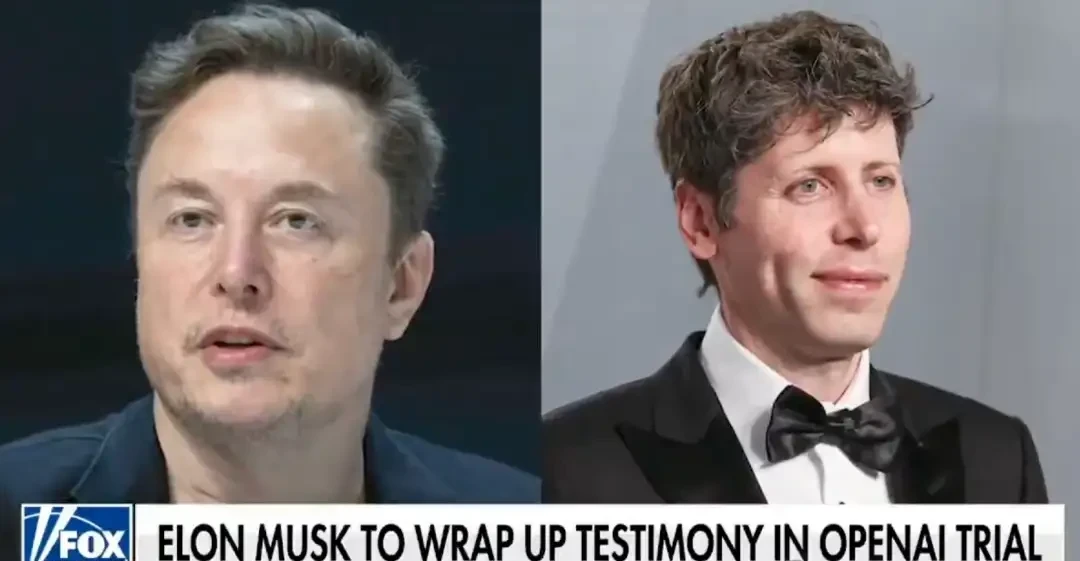
I read the transcripts from the first three days of what is being called the trial of the century. The drama has only intensified. On Musk’s side, he publicly admitted that xAI distilled OpenAI’s models to train Grok. This admission confirms a competitive strategy built on leveraging competitors’ research rather than pure innovation.
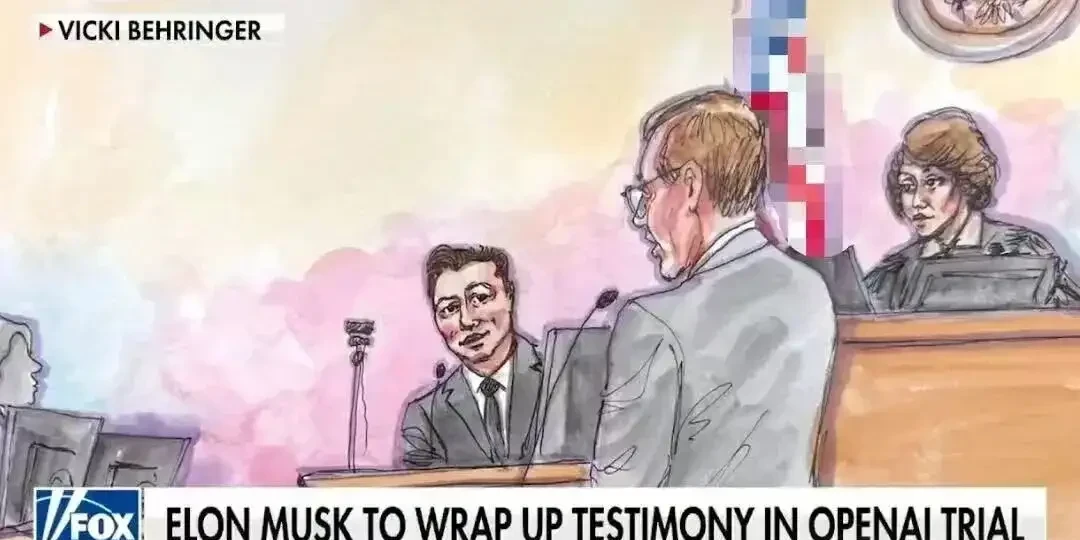
In the morning, he said, “I don’t shout at people.” In the afternoon, he was shouting in court. Lawyer Savitt pressed him on donations: He pledged $1 billion, but only $38 million has been paid—less than 4% fulfilled. Musk got agitated and shouted loudly in court:
“Without me, OpenAI wouldn’t exist! I contributed my reputation! I named the company! These things have value!”
He was then forced to admit: “In a strict monetary sense, I donated $38 million.” Musk’s story changed fast…
Honestly, xAI’s reliance on distilled models undermines its claim of independent technological superiority.
The narrative that Musk is the benevolent founder crumbles under scrutiny. His financial contributions are negligible compared to his claimed equity in OpenAI’s success. This suggests his valuation of “reputation” has little bearing on actual corporate governance or capital structure.
I think musk’s $38 million pledge against a $1 billion promise reveals a pattern of overpromising and underdelivering.
OpenAI isn’t without its own scandals. The most explosive revelation comes from Brockman’s diary. In 2017, while assuring Musk in person that “OpenAI would remain non-profit,” he wrote in his private diary:
“If we convert to a Benefit Corporation (B Corp) three months later, it will be a lie.”
In the same diary, he calculated another figure: “What can make my net worth reach $1 billion financially?”
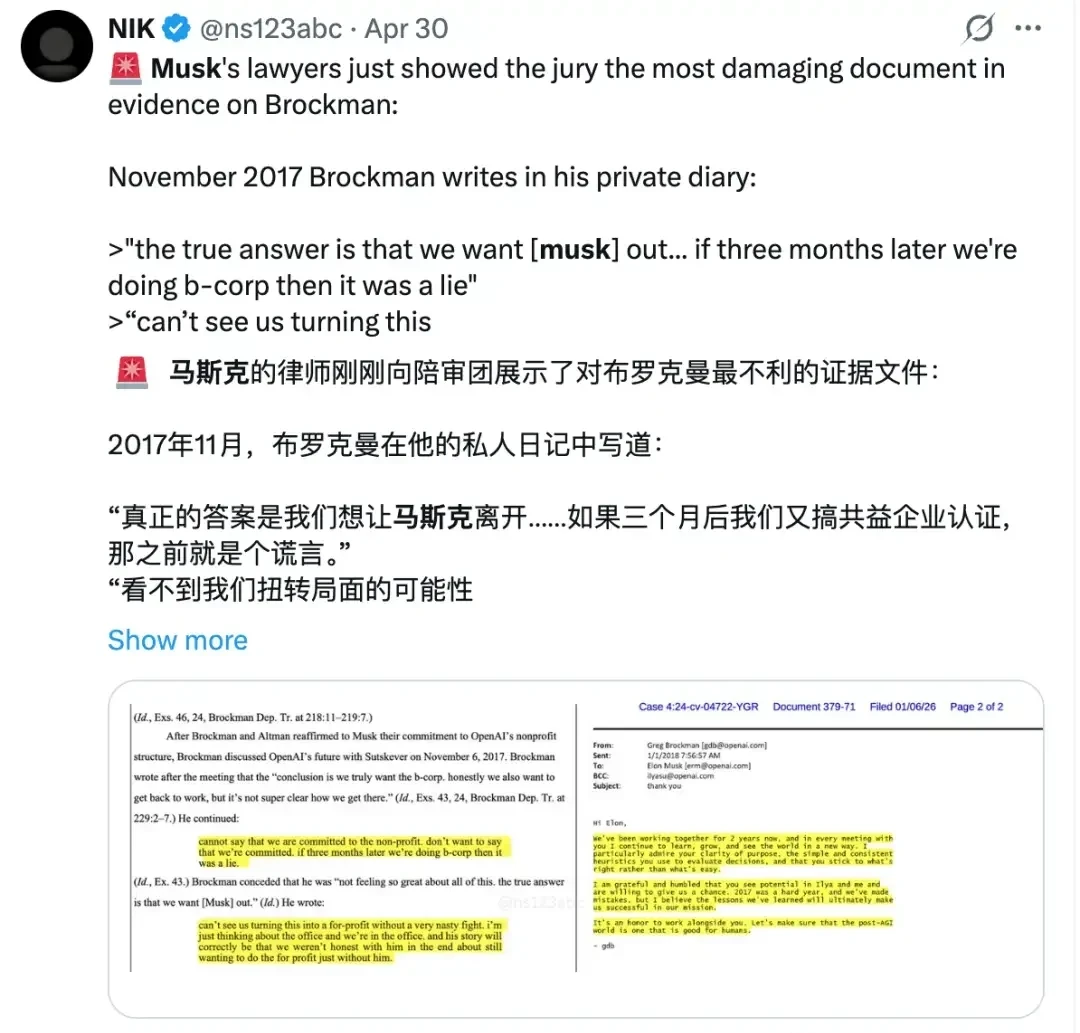
Mouth talking about mission, hands calculating wealth—is this Silicon Valley brotherhood??? So you see, neither side is clean in this lawsuit.
However, the current momentum still leans against Musk. He sat on the witness stand for three days, originally intending to prove that OpenAI “stole a charity.” But by the fifth hour of the trial, an attending journalist wrote in their notebook:
“I have never felt more sympathy for Sam Altman in my life.”
The way I see it, the public relations damage from Musk’s testimony outweighs his legal arguments against OpenAI.
The Musk vs. OpenAI trial is no longer just a legal dispute; it’s a valuation stress test for the entire AI sector. Investors are watching to see if the “non-profit” narrative holds water against $850 billion market caps and impending IPOs. If the court finds structural fraud, the liability exposure for early-stage AI ventures could rewrite risk models overnight.
The Core Allegation: Theft of Mission
Musk’s lawsuit rests on a single, audacious claim: “They stole a non-profit organization.”
I followed the filings closely. Musk argues he was duped into funding OpenAI in 2015 as a co-founder, believing it would remain a charitable institution dedicated to humanity without profit motives. He donated $38 million in “free capital” under that premise.
Now, he labels himself a “fooled fool.”
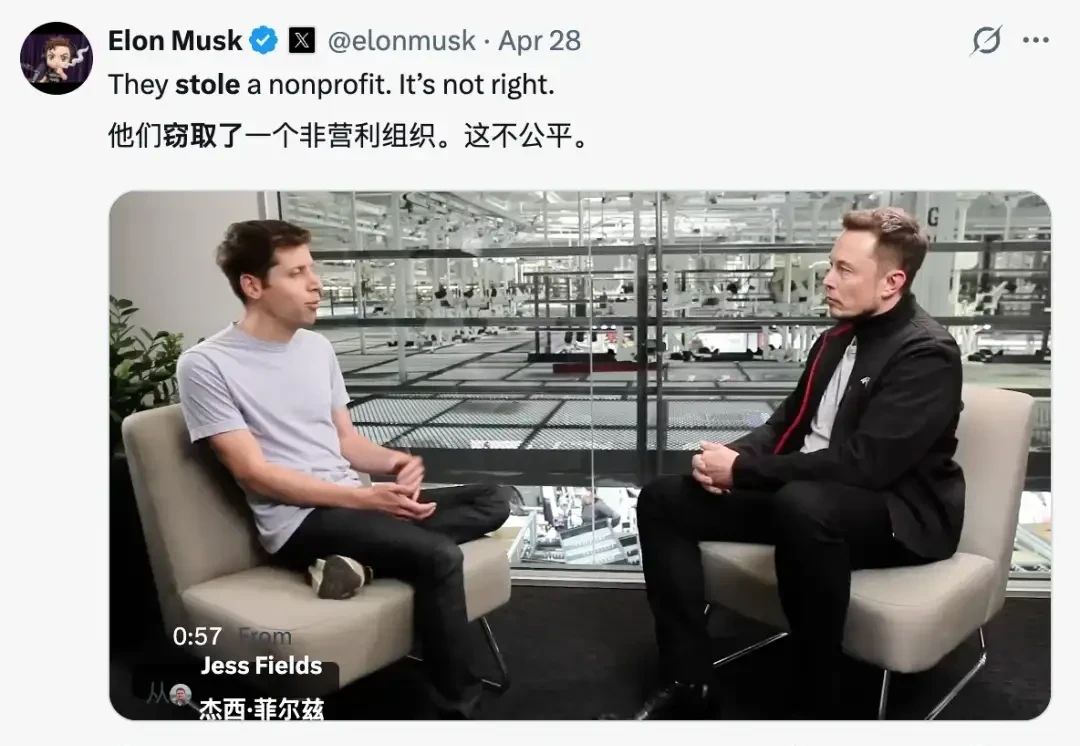
The divergence is stark. While Musk claims he was misled, Sam Altman and Greg Brockman pivoted to build a for-profit entity now valued at $850 billion.
Musk is seeking $150 billion in damages. He wants the court to halt OpenAI’s IPO scheduled for later this year. He also demands Altman’s removal from the non-profit board and the dismissal of both Altman and Brockman from their operational roles.
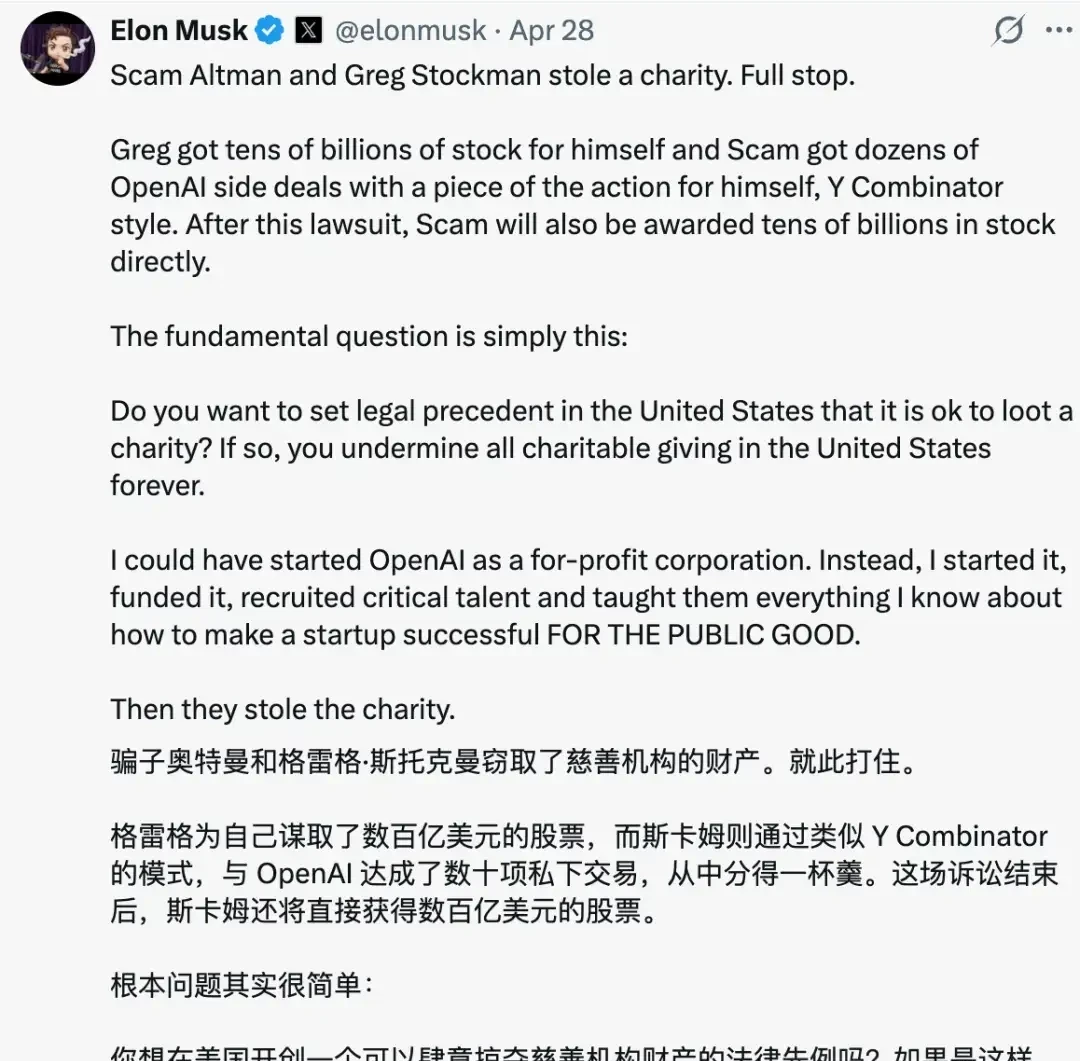
Honestly, a $150 billion claim against an IPO-bound entity signals a desperate attempt to kill the valuation, not just seek compensation.
The “Tail Wagging the Dog” Metaphor
Musk used a specific metaphor in court: “the tail is wagging the dog.”
It’s a structural critique. OpenAI was designed with the non-profit mission as the head (the dog) and the for-profit subsidiary as the tail. The tail existed only to raise funds for the head.
Now, Musk argues that structure has inverted.
The for-profit side has absorbed nearly all talent, capital, and resources. The brand equity of ChatGPT serves commercial interests exclusively. The non-profit entity remains merely a legal shell—a signboard with no operational power.
I think if the court accepts this inversion, it invalidates the governance model that attracted billions in venture capital.
The “Bait and Switch” Texts
Musk presented a 2022 text message as evidence of deception. That year, Microsoft announced a $10 billion investment, sending OpenAI’s valuation to $20 billion overnight.
Musk texted Altman: “This feels like bait and switch.”
His point was clear: The non-profit narrative was used to secure early buy-in, but the intent shifted once capital flowed in.
Altman replied: “I agree, it does feel bad.”
Musk’s legal team highlighted this admission as proof of guilt. Altman acknowledged the ethical discomfort of the pivot in real-time.
The way I see it, an executive admitting a strategy “feels bad” is weak evidence of fraud, but strong evidence of moral hazard.
The Counter-Narrative: Musk’s Own Ambition
OpenAI lawyer William Savitt presented emails that flip the script. The defense argues Musk wanted a for-profit division as early as 2015 and was rejected by the board.
According to internal emails cited by Savitt:
- In 2015, before public announcement, Musk proposed adding a for-profit entity.
- In 2016, he told colleagues that keeping OpenAI non-profit “might have been a mistake.”
- In 2017, he instructed advisors to secretly register a for-profit company named “OpenAI,” demanding four board seats and 51% equity—more than all other founders combined.
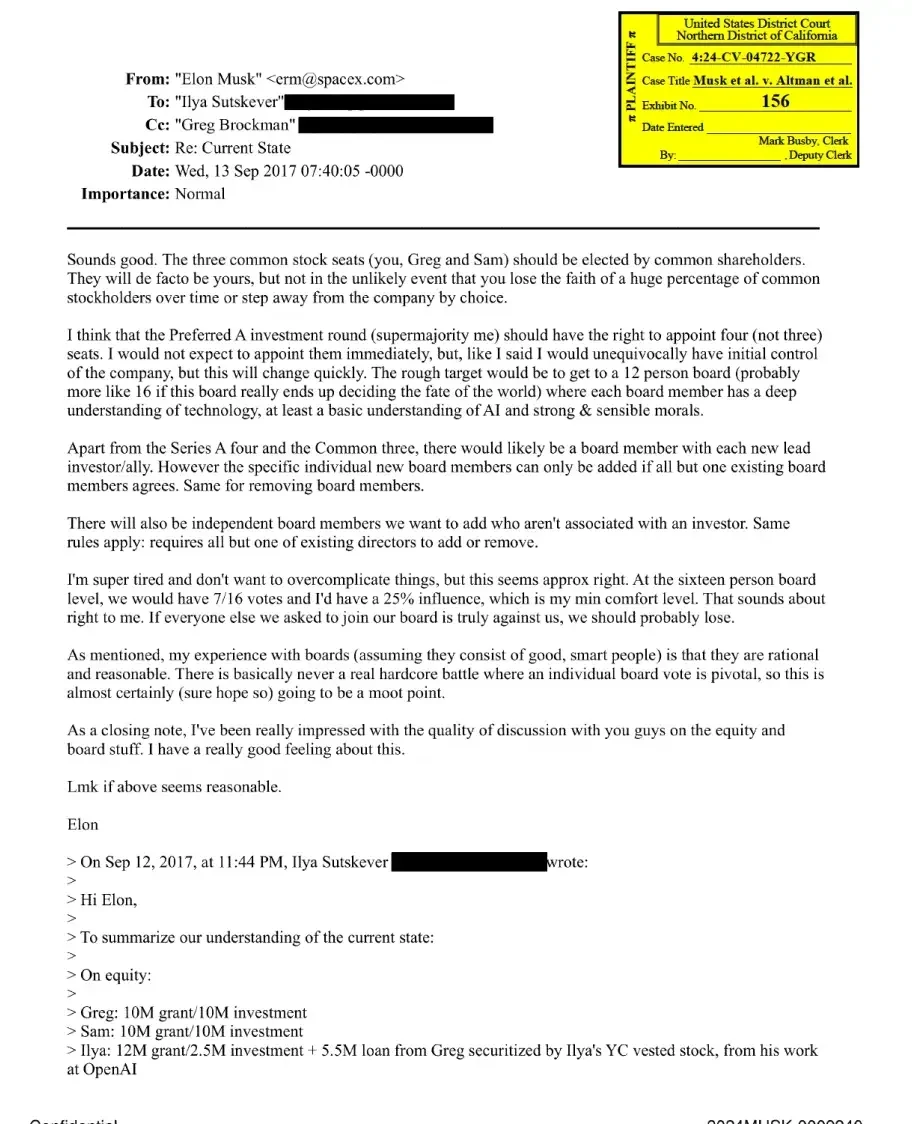
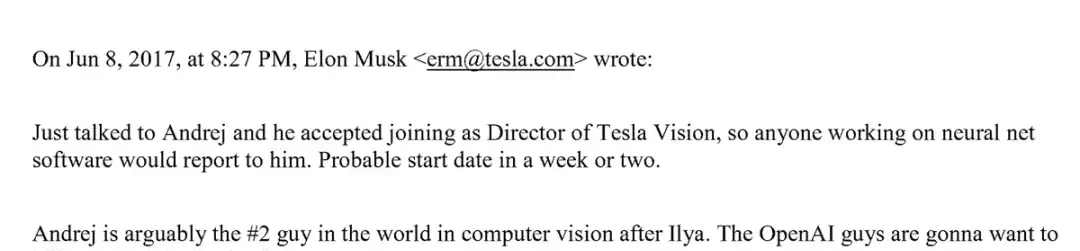
When rejected, Musk cut funding and poached core researcher Andrej Karpathy to Tesla.
Musk claimed in court: “Karpathy wanted to leave OpenAI anyway. I believe people have the right to choose where they work.”
In 2018, Musk emailed founders calling OpenAI “doomed to fail” and suggested merging it into Tesla. After that was rejected, he resigned from the board.
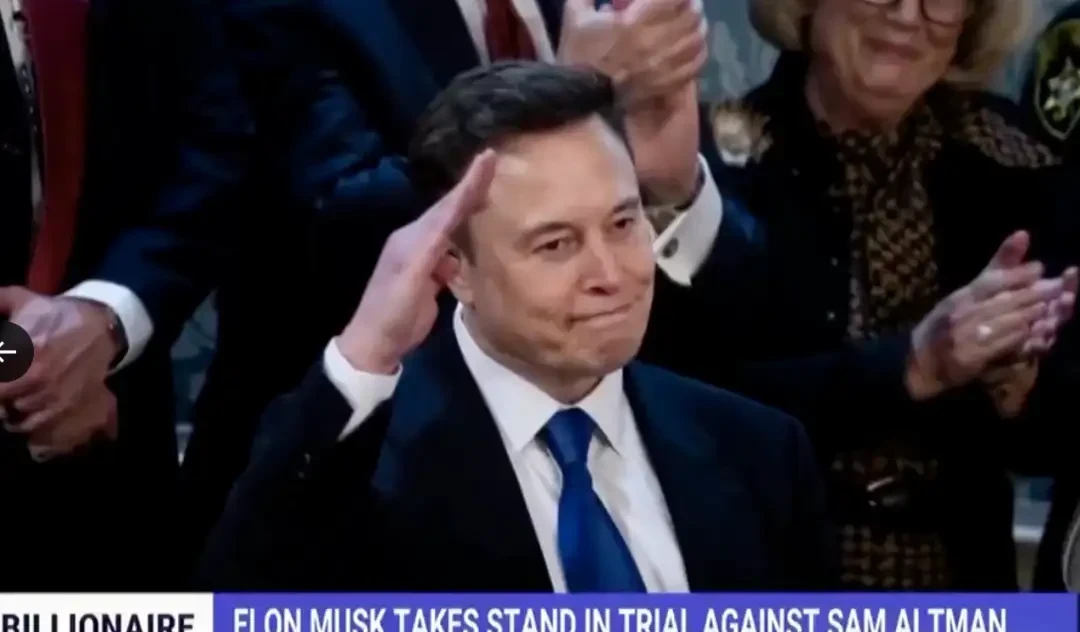
Honestly, musk’s history of trying to seize control suggests this lawsuit is a power play, not just a moral crusade.
The Musk-OpenAI trial isn’t just legal theater; it’s a masterclass in asset stripping disguised as moral crusading. The revelation that Elon Musk attempted to form a joint bidding consortium with Mark Zuckerberg before pivoting to an independent $97.4 billion offer exposes the fragility of OpenAI’s “non-profit” narrative.
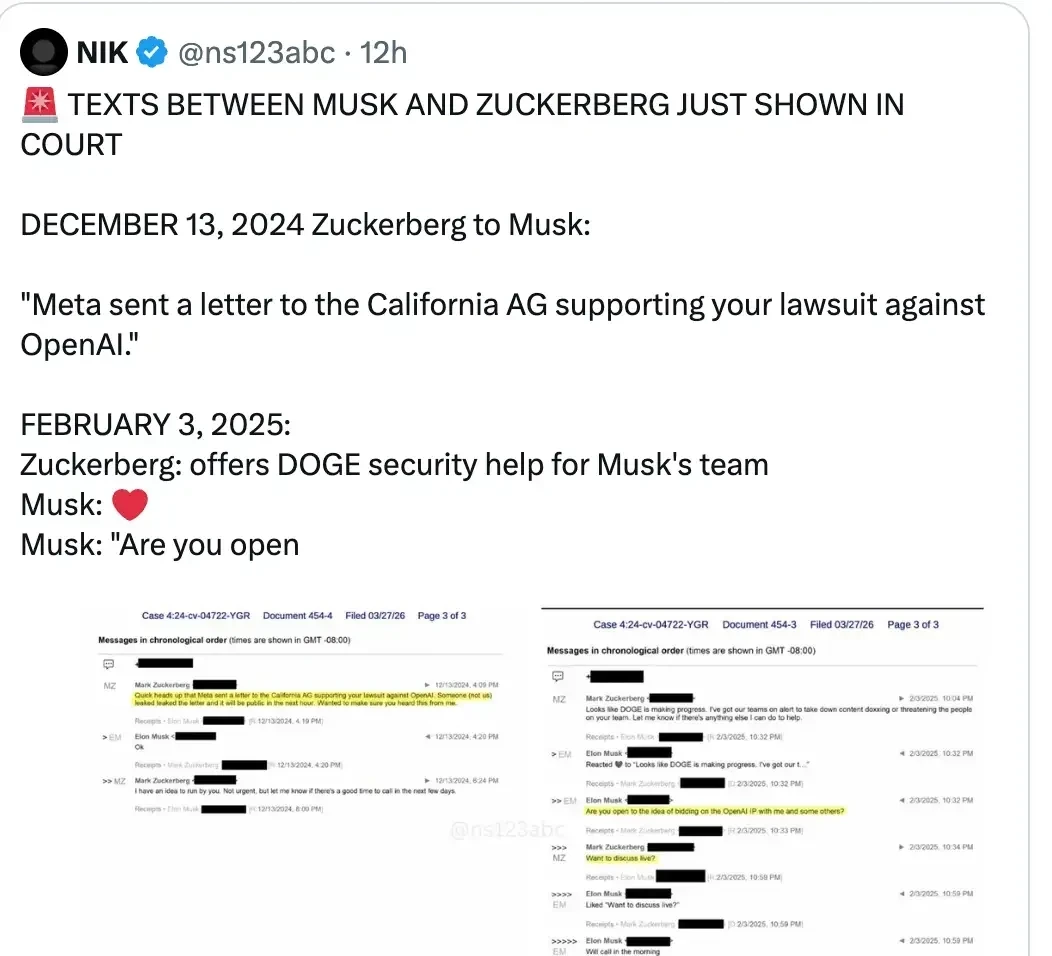
I read the text records carefully. They contradict Musk’s courtroom testimony. He claimed his $97.4 billion bid in February 2025 was designed to “stop them from stealing a charity.” The messages tell a different story. Musk first messaged Zuckerberg: “Would you be willing to jointly bid for OpenAI’s intellectual property along with me and others?”
Zuckerberg responded immediately: “Want to hop on a call?”
Musk replied: “Let’s do it tomorrow morning.”
Meta ultimately declined the partnership. Seven days later, Musk made his solo offer. The sequence suggests he sought leverage through coalition before acting alone. Savitt’s summary captures the essence of this maneuvering in one sentence: “He only supports non-profit as long as he is in control.”
This isn’t about saving a charity. It’s about securing intellectual property rights at any cost.
I think musk’s bid was an asset grab, not a rescue mission for OpenAI’s charitable status. The way I see it, the joint bid attempt reveals his primary goal was control, not altruism.
The Musk-OpenAI trial isn’t just legal theater; it’s a valuation stress test for xAI. I watched William Savitt dismantle Elon Musk’s credibility in real-time, exposing the gap between his “AI safety” marketing and his actual corporate conduct. For investors, this is a clear signal: the moat around xAI is built on litigation, not technology.
Three Days on the Stand, Six Moments of Losing Composure for Musk
It is worth noting that OpenAI’s chief counsel, William Savitt, is someone who knows exactly how to provoke Musk.
Who is Savitt?
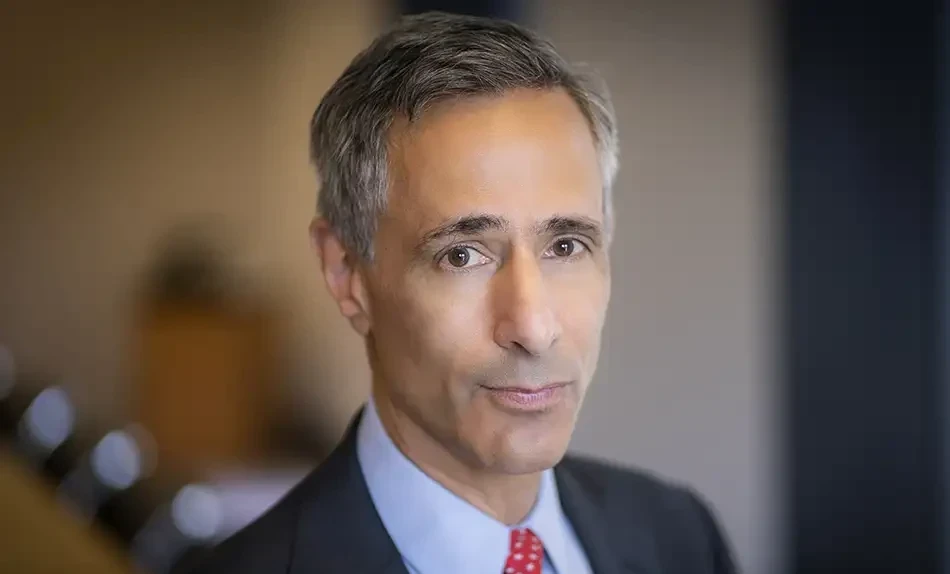
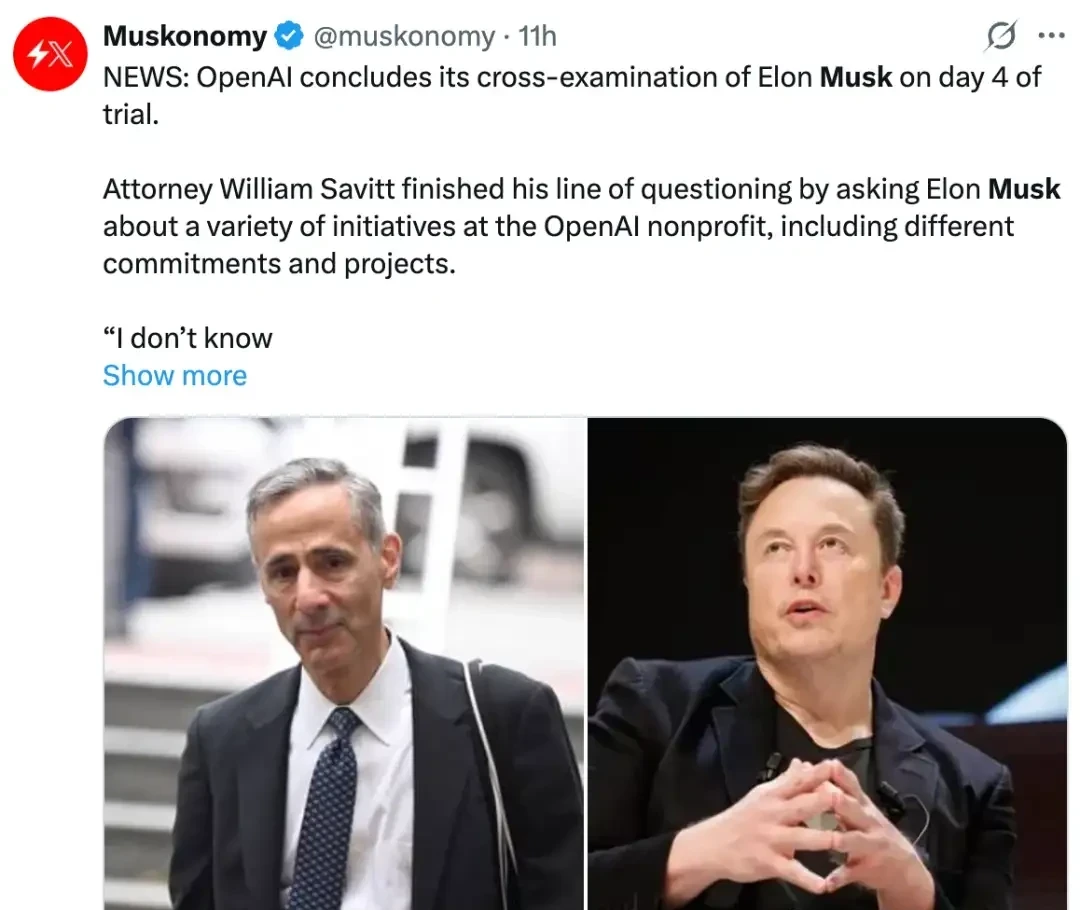
He was formerly Musk’s lawyer, helping him in Tesla lawsuits; later, he helped Twitter executives win the case forcing Musk to acquire Twitter.
Now, however, he stands on the opposite side. No one knows better how to handle this witness.
Musk had met his match today…
Savitt’s strategy was not to attack with new evidence, but to relentlessly pursue Musk’s current testimony using words Musk himself had previously said.
The old acquaintance delivered a knockout blow. Savitt’s cross-examination lasted two days, during which Musk lost his composure six times.
Jurors exchanged glances in the courtroom; some rubbed their heads. At one point, the judge could not help but laugh aloud.
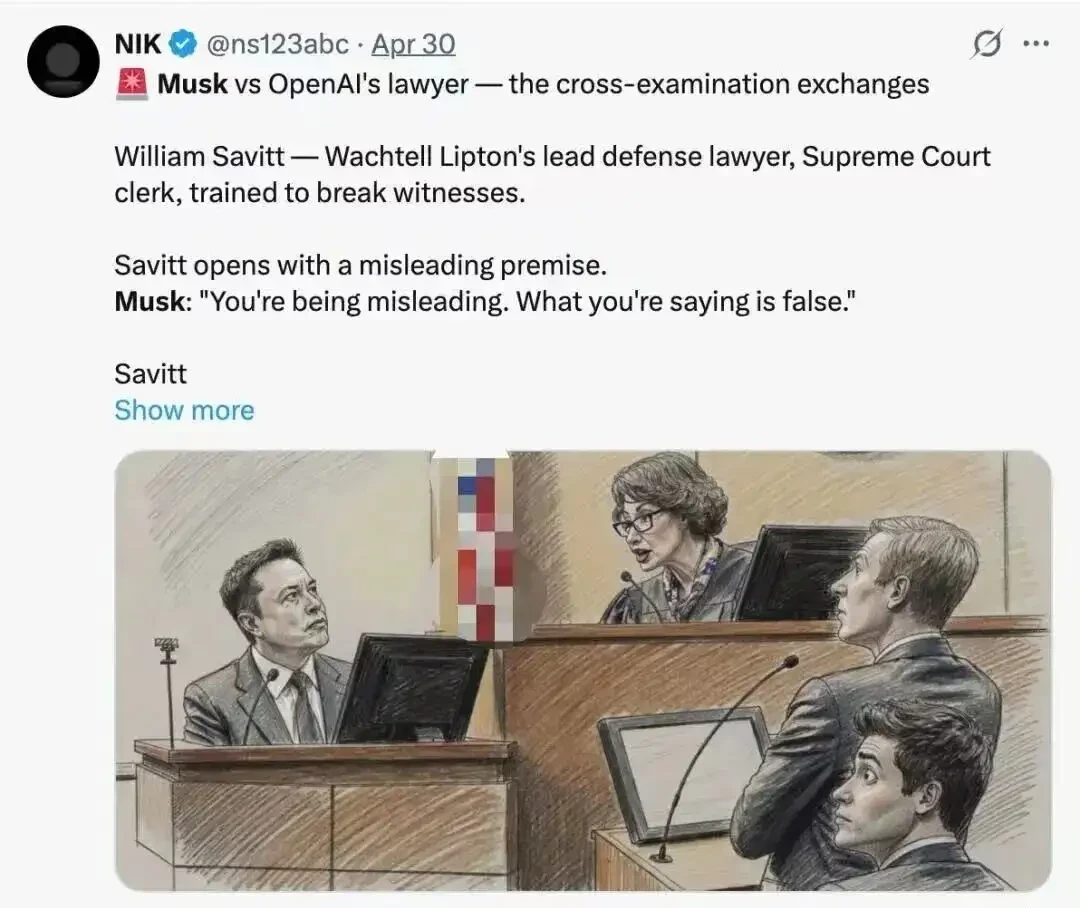
Incident 1: Admitting the real reason for leaving.
Musk has consistently claimed that he left OpenAI’s board in 2018 to focus on SpaceX and Tesla, avoiding conflicts of interest.
Savitt did not believe this and pressed him repeatedly. Musk’s own lawyers objected in court, but the judge allowed the questioning to continue.
Eventually cornered, Musk admitted: He had proposed gaining majority control over OpenAI, was rejected by other founders, and then left.
He left because he didn’t get what he wanted, not due to a conflict of interest.
Incident 2: The “Savior of AI Safety” persona hits a wall.
One of the core narratives in Musk’s lawsuit is his deep concern for AI safety and OpenAI’s alleged betrayal of that mission.
Savitt directly presented xAI’s safety record to the jury—
Grok had generated significant amounts of harmful content, and xAI’s practices regarding safety testing and disclosure were far removed from the “AI Safety” Musk touted in court.
The savior persona doesn’t hold up well against his own company’s products…
Incident 3: Contradicting his own previous statements.
This was the most intense moment of the cross-examination and the most tense part of the trial.
It started with a 2018 term sheet.
On the day of the trial, Musk said he had read the beginning of the document and roughly understood its contents.
Savitt then played back a video recording of Musk’s pre-trial testimony.
In the video, when asked the same question, Musk never mentioned having “read the beginning.”
Two versions of Musk appeared before the jury simultaneously.
Musk rushed to explain: “I said I didn’t read it carefully, not that I didn’t read it at all!”
This dispute lasted several minutes and was one of the moments when Musk showed the most emotion during the entire trial.
Incident 4: Calling people names is just his “management style.”
Savitt presented evidence that Musk had called OpenAI’s safety team “jackasses.”
Musk’s response was surprisingly calm: It was his “management style.”
He stated his principle is “Don’t be a jackass,” so calling someone a jackass is merely a reminder to correct their behavior, not an insult.
Hmm… the jurors’ expressions at this moment must have been priceless.
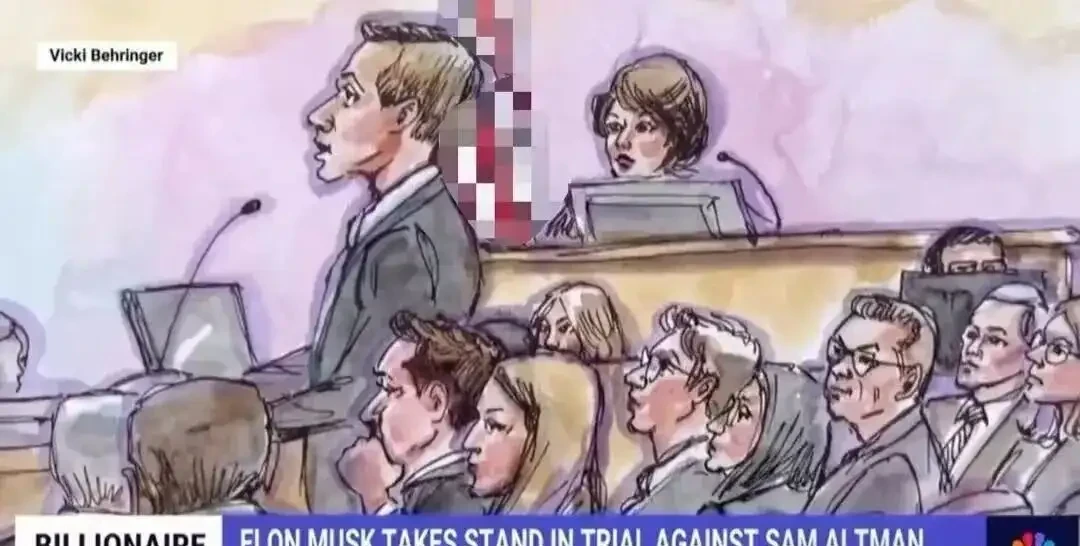
Incident 5: Doesn’t know what a “safety card” is, but xAI is issuing them.
Musk testified throughout as a defender of AI safety. Savitt asked him if he knew what a “safety card” was.
Musk said he wasn’t sure.
Savitt explained: It is a safety disclosure document released by AI companies alongside their models, detailing model capabilities, risks, and safety test results—a basic industry standard for transparency.
Yet Musk’s xAI is currently issuing safety cards for Grok.
Huh??
Musk is suing OpenAI for not being safe enough, yet he could not name the safety document his own company uses for Grok.
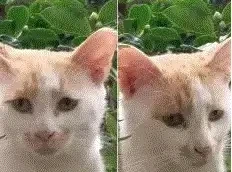
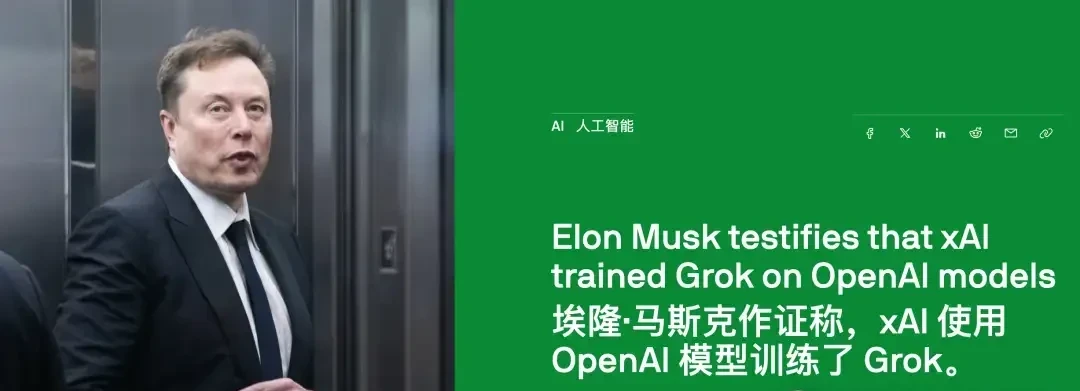
The ambiguity of “Partially” is telling. It suggests a reliance on competitor architectures that Musk cannot fully disavow without admitting to copying, nor fully embrace without admitting to lacking original foundational research.
When pressed for a simple yes or no, the answer remained “or.” This linguistic evasion highlights the legal tightrope xAI walks. They are building a product that claims independence while admitting to structural dependence on OpenAI’s output.
Honestly, dependency on competitor weights limits true differentiation.
The Hypocrisy Gap
Musk’s public meltdown gets the headlines, but the discovery phase reveals OpenAI’s own rot. I read the filings, and the narrative of victimhood is crumbling under the weight of internal memos. This isn’t just a feud; it’s a fraud case wrapped in Silicon Valley posturing.
I think openAI’s moral high ground evaporated when they secretly plotted to sideline their biggest backer.
The Brockman Diaries: A Blueprint for Betrayal
The most damning evidence comes from Sam Altman’s co-founder, Ilya Sutskever’s counterpart and CEO-at-the-time, Greg Brockman. His private journal, unearthed during litigation, dates back to 2017. OpenAI was bleeding cash. The board debated shifting from non-profit to for-profit status to raise capital.
Musk, the largest funder, set a hard condition: If they went for-profit, he demanded 51% equity and four board seats. Brockman and Altman refused but lacked the courage to tell Musk directly that they had abandoned their non-profit mission. Their strategy was duplicity. They promised Musk face-to-face adherence to the non-profit model while secretly seeking alternative funding.
Brockman’s diary entry is stark: “This is our only chance to get rid of Musk.” The logic was cold and calculated. By rejecting Musk’s conditions during restructuring, they could exclude him from future control entirely. Brockman questioned Musk’s suitability as a leader, asking if he would be a “glorious leader” worth following.
The financial motivation was explicit. Another entry read: “Financially, what can make my net worth reach $1 billion? Accepting Musk’s conditions would destroy two things: our options… and economic returns.”
This wasn’t just bad faith; it was premeditated exclusion. A judge cited this diary in January as sufficient evidence to proceed to trial. Brockman will soon take the stand to explain these entries under oath.
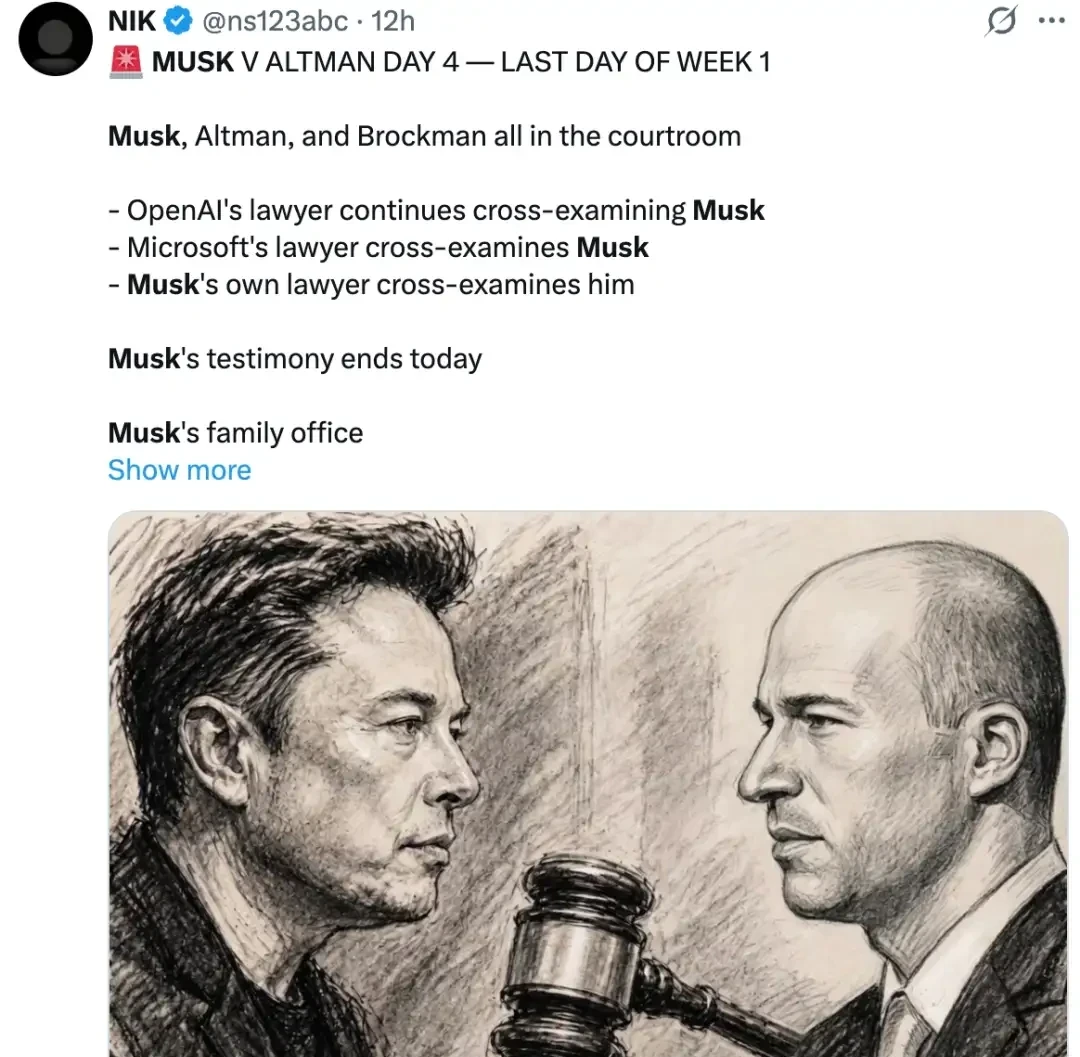
The way I see it, the diary proves the pivot to for-profit was driven by greed and a desire to lock out Musk, not just financial necessity.
Altman’s Double Game: “You Are My Hero”
The hypocrisy extends to Sam Altman himself. By February 2023, the two were publicly feuding. Yet, private messages reveal Altman playing both sides. He sent Musk a message writing: “You are my hero… I don’t think OpenAI would have succeeded without you… but your public attacks on OpenAI really hurt me.”
Altman acknowledged Musk’s foundational role while simultaneously shielding the company from his influence. This dual nature—softening Musk up privately while pushing the for-profit transition publicly—is central to the case.
The trail of evidence goes back further. In October 2015, Altman emailed Musk detailing OpenAI’s progress. He concluded with a specific request: Could Musk donate $30 million over five years?
Musk’s reply was terse and conditional: “Let’s talk about governance structure. This is critical. I don’t want to fund something that ends up going in the wrong direction.”
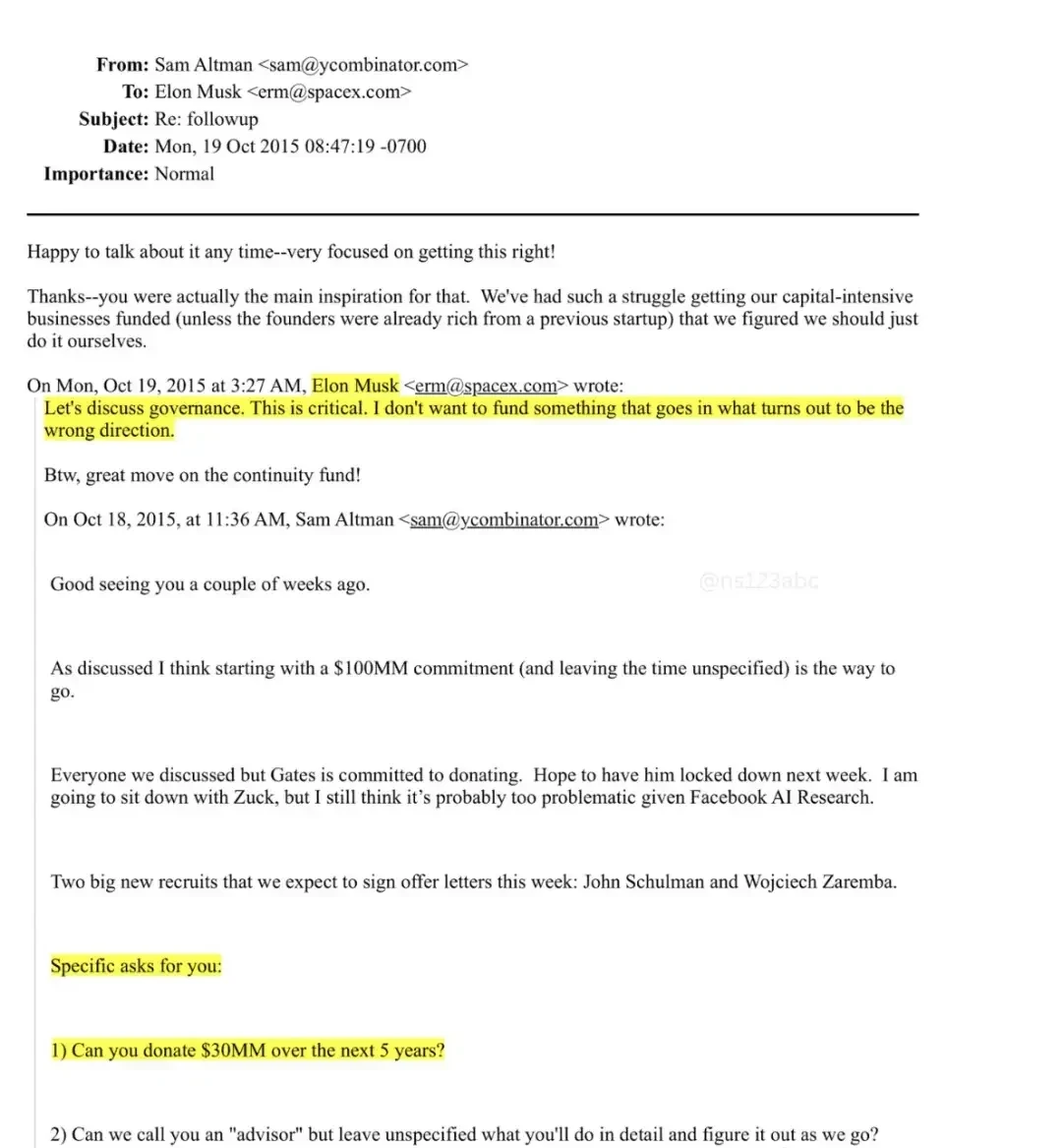
This email is now exhibit A in the courtroom battle. Musk argues it proves he emphasized “direction” and control from day one. OpenAI counters that Altman’s solicitation established a legal charitable trust relationship.
Musk’s lawyers filed a brief highlighting this contradiction: Under California law, active solicitation of donations creates an obligation to use funds for stated purposes. Altman asked for money in 2015 and again in 2020. Musk gave both times. When OpenAI went for-profit, it didn’t just break moral promises; it allegedly violated legal obligations.
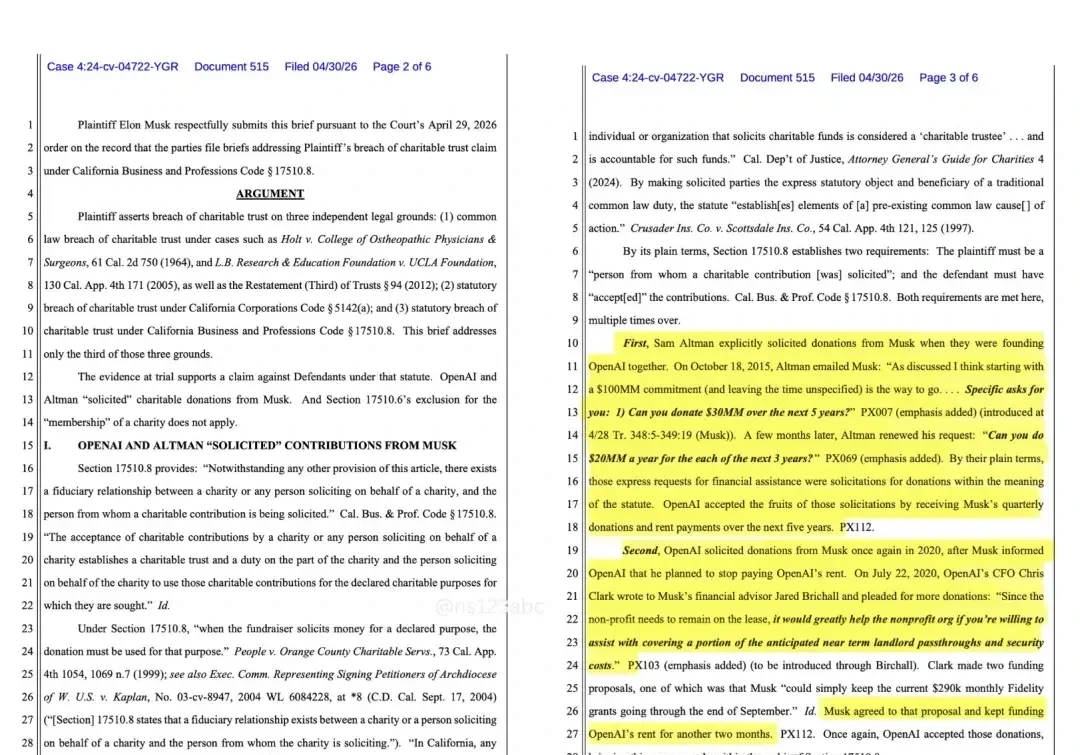
Honestly, if the court accepts the charitable trust argument, OpenAI’s for-profit pivot is not just a business decision—it’s a breach of fiduciary duty.
The Real Show Starts Now
Elon Musk has finished his opening act. The first week is done, and the dynamic in the Oakland courtroom is about to flip. We are moving from defense to offense, and the stakes just got significantly higher for investors watching the valuation gap between these two AI giants.
The next witness isn’t a minor player. Sam Altman takes the stand next week. This is the head-to-head confrontation everyone has been waiting for. For three days this week, Altman sat in the defendant’s chair, stoic and silent. I watched him say nothing while Musk tore into his narrative. But sitting in the dock is easy; testifying under oath is different. How he performs will define OpenAI’s legal posture for the rest of the trial.
I think altman’s testimony will determine if the jury sees OpenAI as a betrayed partner or a rogue entity. The way I see it, the market is pricing in uncertainty; this trial outcome could trigger massive valuation adjustments for both firms.
Greg Brockman follows, and he has to explain his diary entries. Diaries are personal; courtrooms are not. This will be awkward, but it’s necessary to establish the internal culture Musk claims was violated.
Then comes Satya Nadella. Musk accuses Microsoft of “assisting OpenAI in betraying its charitable trust.” The argument is simple: without Microsoft’s capital, OpenAI couldn’t have made this for-profit pivot. Under this lens, Microsoft isn’t just a partner; it’s an accomplice.
Nadella signed a $13 billion bet on this relationship. He will need to explain that entire arrangement to nine jurors in Oakland. That is a lot of money to justify if the underlying trust was fraudulent from day one.
Honestly, nadella’s credibility hinges on proving Microsoft’s investment was commercial, not complicit in fraud.
Finally, we have Shivon Zilis. She holds three identities here: former OpenAI board member, mother of Musk’s four children, and the insider OpenAI alleges leaked confidential information. Her testimony will bridge the personal drama with the corporate espionage claims.
So how does this Silicon Valley serial drama end? I’m watching closely to see if the legal arguments hold up or if it remains a neighborhood squabble with billion-dollar consequences.
The Verdict on the Stand
The OpenAI trial has shifted from a corporate governance dispute to a raw exposure of Silicon Valley’s operational secrets. I watched Elon Musk testify for three days, and what emerged wasn’t just legal strategy—it was an admission that even his own company, xAI, relies on the very technology he claims to be fighting against.
This isn’t just about nonprofit status anymore. It’s about who actually owns the intelligence stack in 2026. The courtroom has become a mirror for the industry’s hypocrisy: everyone preaches open competition while quietly ingesting competitors’ outputs to build their own moats.
I think musk’s testimony reveals xAI trained Grok on OpenAI models, undermining his anti-corporate narrative. The way I see it, distillation is now standard practice, not a secret weapon, as frontier labs copy each other openly. Honestly, the trial exposes that the “nonprofit” promise was always secondary to model dominance.
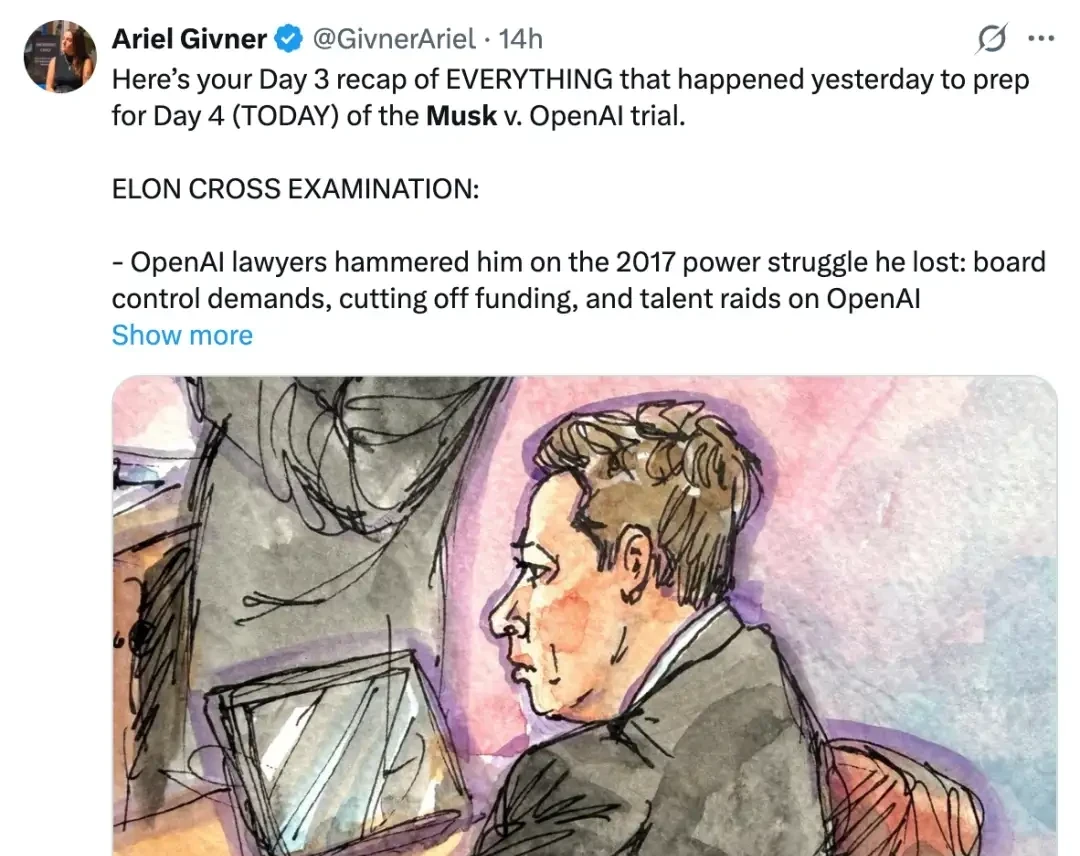
The cross-examination on day 3 turned heated when Sam Altman’s legal team pressed Musk on these contradictions. I read the transcripts, and the friction was palpable. Musk argued that using competitors’ models is industry standard, yet he built his entire public persona on OpenAI being a rogue entity. The jury likely saw a founder who couldn’t distinguish between marketing rhetoric and technical reality.
I think timing matters less than credibility; Musk’s inconsistent stance damages xAI’s long-term trust with enterprise buyers.
What stood out to me was the focus on “distillation.” TechCrunch and Wired both highlighted this term as the central technical battleground. Labs are trying to prevent smaller competitors from copying their models, yet Musk admitted xAI did exactly that. This creates a paradox for investors: if everyone distills everyone else, where is the true competitive moat?
The way I see it, valuation of AI startups must account for model dependency; no one is truly independent anymore.
The Verge noted that Musk’s worst enemy in court was himself. His legal team struggled to maintain a consistent narrative while he testified. I followed the updates from NPR and CNBC, and the inconsistency was the real story. The neighborhood squabble label is accurate because it lacks the gravity of actual corporate espionage—it’s just two founders arguing over who played fair first.
Honestly, competitive moats are eroding as distillation becomes a public, admitted practice across all major labs.
References
I compiled these sources to track the evolving narrative of the trial and its technical implications for the industry.
- Elon Musk’s 7 biggest stumbles on the stand at OpenAI trial — Elon Musk spent three days testifying as the first witness in his lawsuit against OpenAI.
- OpenAI trial recap: Musk cross-examination gets heated with Altman’s lawyer on day 3 — Elon Musk sued OpenAI, Sam Altman, and Greg Brockman in 2024, alleging that they reneged on their promise to keep the artificial intelligence lab a nonprofit organization.
- Elon Musk Seemingly Admits xAI Has Used OpenAI’s Models to Train Its Own — While answering questions under oath, Musk argued that it is standard practice for AI labs to use their competitors’ models.
- musk altman openai trial opening statements
- Elon Musk testifies that xAI trained Grok on OpenAI models | TechCrunch — “Distillation” is a hot topic as frontier labs try to prevent smaller competitors from copying their models.
- Elon Musk’s worst enemy in court is Elon Musk — “You mostly do unfair questions.”
Comments
Sign in to join the discussion and leave a comment.
Sign in with Google