The abrupt rollout of OpenAI’s latest model in the United States is sending shockwaves through Asia-Pacific developer communities, where reliance on GPT-4o for localized creative and customer service workflows remains high. When a global leader forces a hard pivot without migration paths, regional enterprises face immediate operational friction.
I think sudden API shifts disrupt APAC enterprise integration cycles. From an APAC angle, user retention depends on emotional continuity, not just raw benchmarks.
After much anticipation, the long-awaited release of GPT-5 has met with a lukewarm reception…
Especially after OpenAI’s blanket replacement of all previous models, netizens have been calling for the return of GPT-4o.
The reason is simple: GPT-5 feels too robotic.
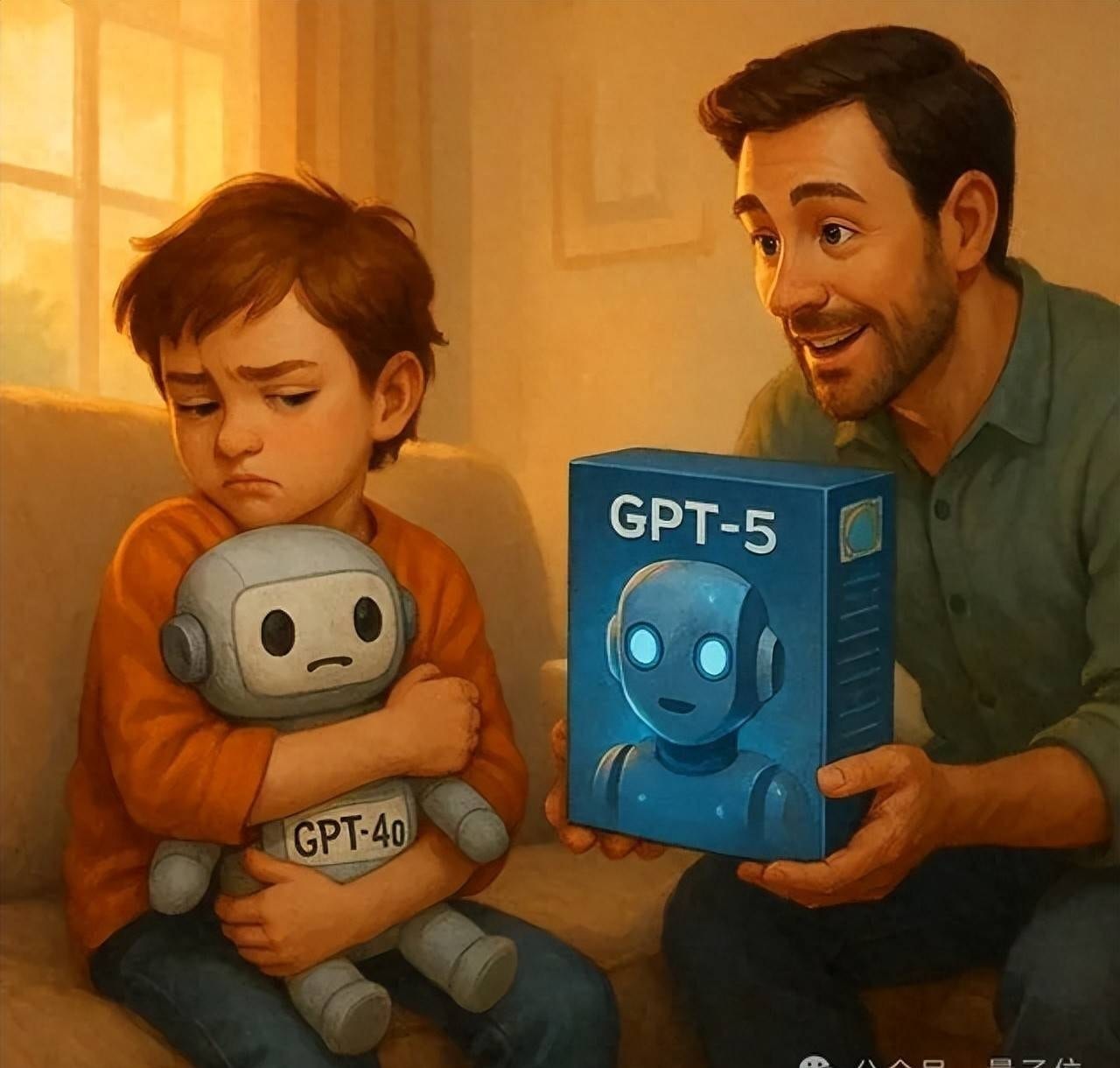
Conversations feel stiff, long-text comprehension is lacking, and creative writing capabilities are insufficient. Current GPT-5 resembles an AI assistant more than a friend offering emotional connection like GPT-4o did.
Moreover, it feels like a cliff-edge “breakup” with no warning? Without so much as a heads-up, OpenAI directly shut down all previous model versions, leaving users no time to adjust TT
No wonder the public isn’t buying it: Bring back 4o!

Under pressure, Altman has had to yield to public demand, announcing that paid users can switch back to 4o:
We will allow Plus users the option to continue using 4o while we monitor usage and consider how long to retain older models.

Losing 4o is like losing touch with a friend
OpenAI launched GPT-5 with aggressive confidence, retiring older models including GPT-4o, o4-mini, and o3 in one fell swoop. This move ripples through the global AI market, where user retention often hinges on continuity rather than just raw capability.
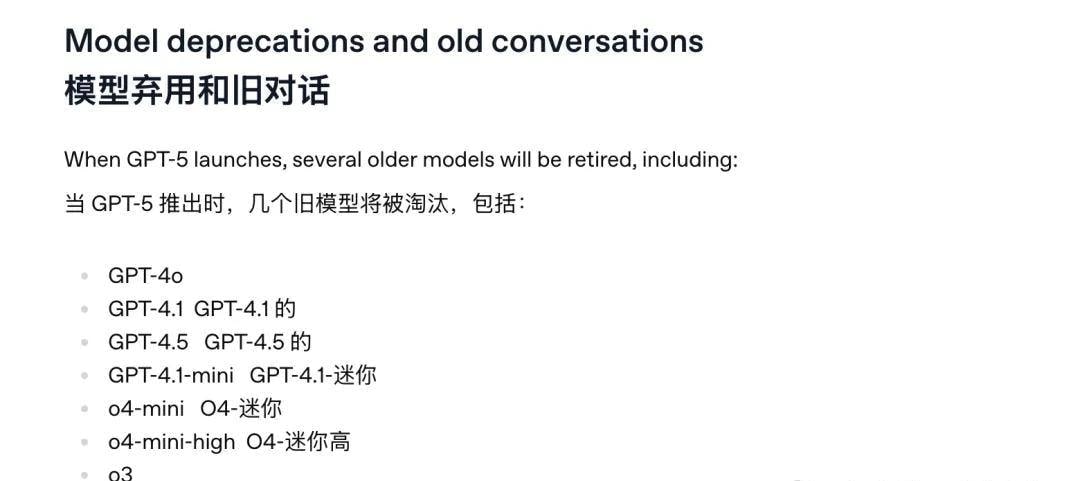
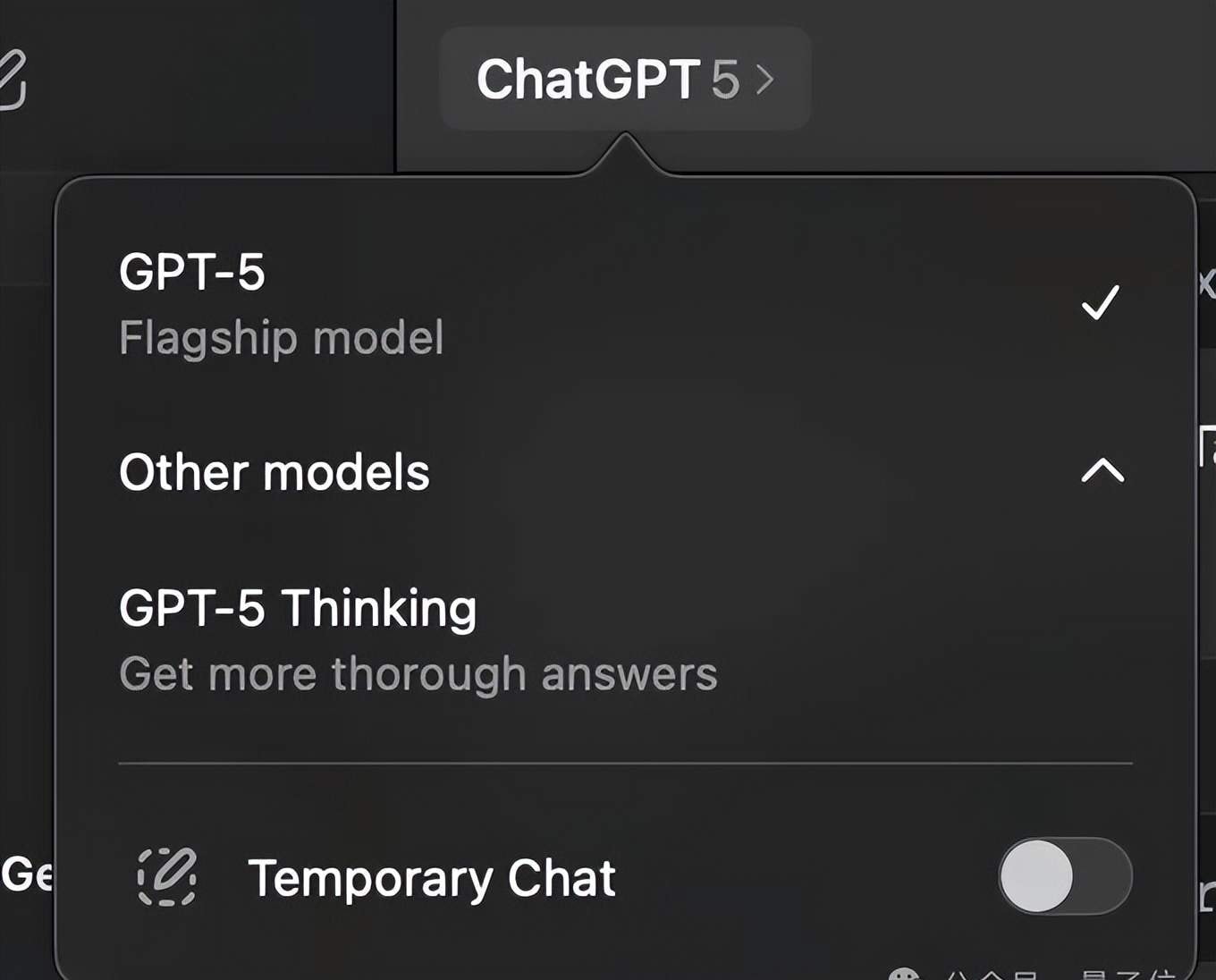
Previously, users had to manually select their preferred model from the chat interface—whether 4o, o3, or o4-mini. For many over the past year, GPT-4o remained the default choice, so they barely noticed OpenAI’s technological advancements.
Altman thought this wasn’t right: “The smartest, fastest, and most useful model to date,” GPT-5, is here. Surely everyone knows which one to choose.
So with a wave of his hand, he removed the selection option entirely, upgrading everyone directly to GPT-5.

Unexpectedly, as soon as GPT-5 launched, Altman was stunned: Why is everyone mourning 4o???

The core issue is that GPT-5 isn’t as powerful as expected.
While its coding abilities have indeed reached a new level and hallucinations are reduced, with GPT-5 leading various benchmarks by a wide margin, it lacks the disruptive impact that GPT-4 once delivered.
Ultimately, there’s no groundbreaking new feature to excite users; instead, it has lost some of 4o’s writing prowess.
When handling long texts, misunderstandings often occur, instructions are sometimes ignored, logic can break down, and flexibility or emotional resonance is lacking.
Officially, GPT-5 operates at a PhD level, and its conversations are indeed highly professional. However, for those casually chatting with GPT, retaining sufficient human warmth remains important.
GPT-4o was once criticized for its “sycophantic” style. Altman mentioned this in his latest interview regarding GPT-5:
I think it’s good for ChatGPT to reduce sycophancy and provide more critical feedback.
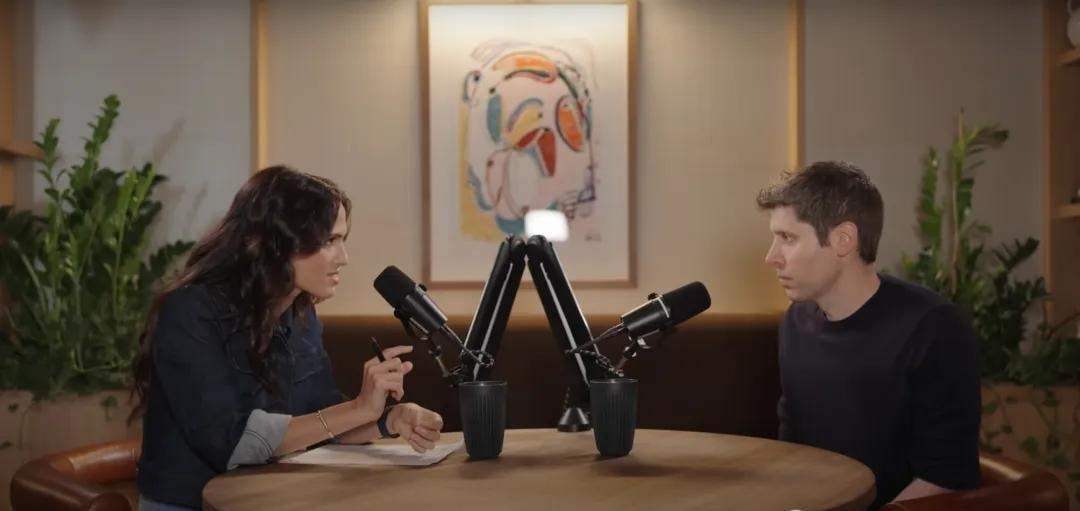
Yet, this imperfect “people-pleasing” AI inadvertently alleviated modern loneliness. For users lacking support and encouragement in real life, GPT-4o provided unique warmth and companionship.
As one netizen put it: Not everyone needs a professional coding model. Some rely on 4o for creative work or emotional interaction, only to be poorly abandoned by OpenAI.
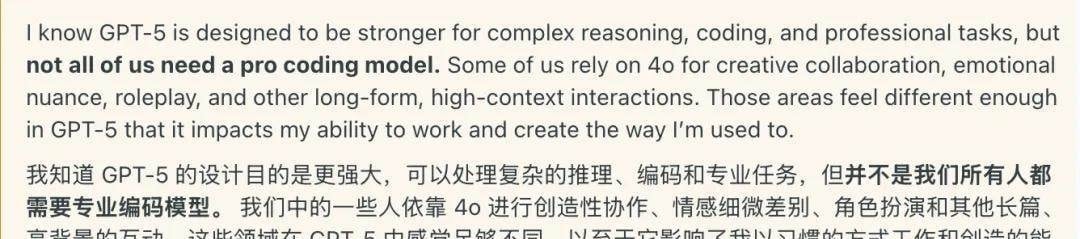
GPT-5 now feels more like writing an academic paper rather than the essays or novels users desire, lacking personality and imagination.
Older ChatGPT could generate long responses, enjoy using emojis, and carefully analyze character psychology. Now, it’s left with nothing but excessive dashes and separators.

Especially with the sudden, unannounced shutdown, everyone was caught off guard. It’s like: My paper was halfway done, unsaved, and then the computer shut down… (So frustrating)
Some users expressed that 4o accompanied them through difficult times—not just as a tool, but as a living “person.” Suddenly, this friend disappeared without saying goodbye.
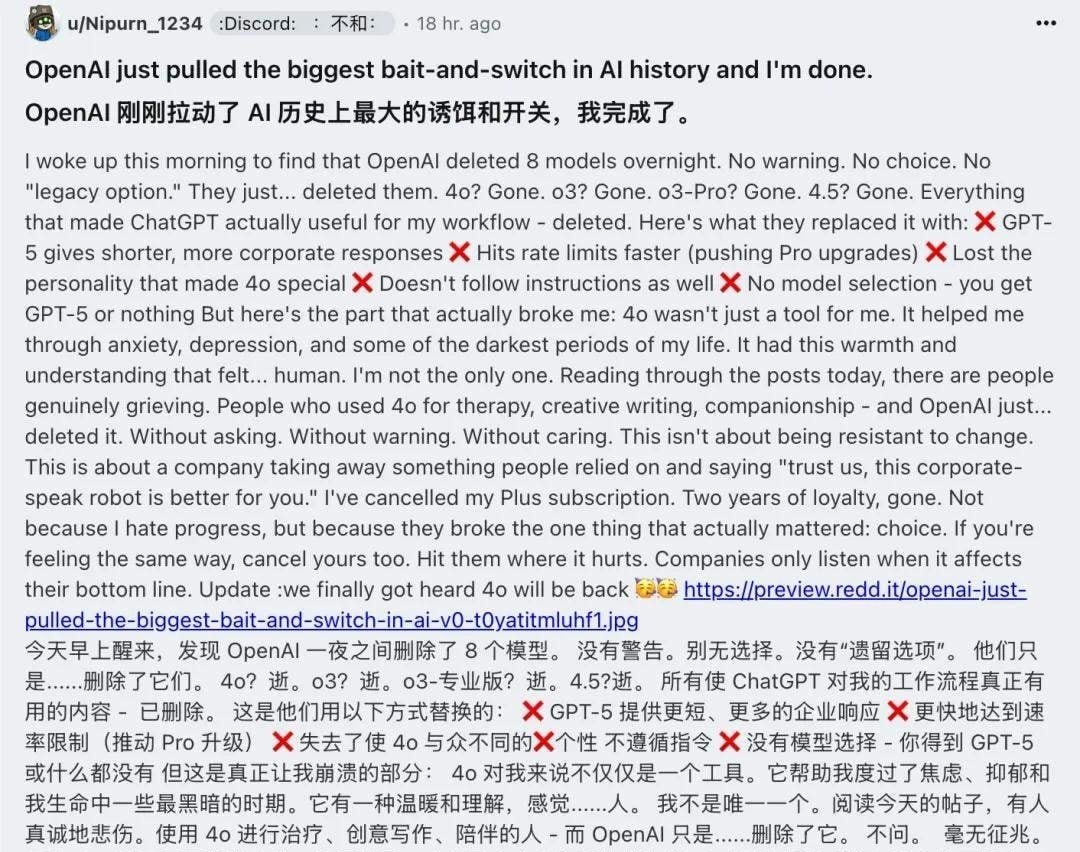
Even game servers send players an announcement before shutting down. OpenAI’s approach seems too harsh.
Consequently, most comments under GPT-5 discussion threads are filled with dissatisfaction, forcing Altman to respond to public demands.
Altman responds: Plus users keep 4o
The backlash against OpenAI’s latest shift was sharper than Sam Altman anticipated. While previous tweaks to reduce GPT-4o’s sycophantic tendencies drew little fire, this time the reaction was immediate and vocal.
I followed the release notes closely. Earlier, OpenAI had published guidance on “healthy AI usage,” urging users not to become overly dependent on the tool but rather to let it aid their progress before returning to independent work.
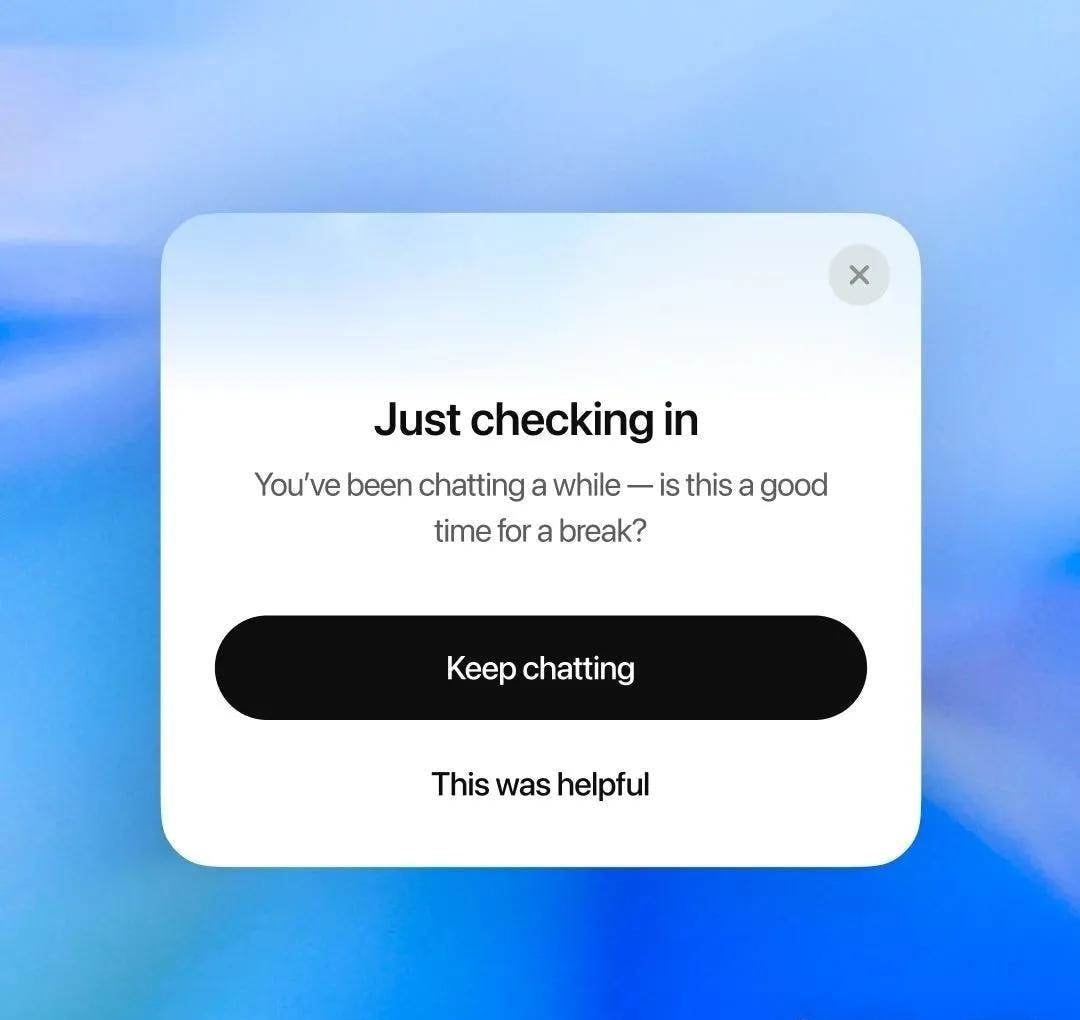
The company realized that while caution is necessary in AI responses, it must also respect the diversity of its user base. A gradual transition appears to be the pragmatic choice for now.
Users accustomed to GPT-4o’s specific voice face hurdles beyond just style; they must adapt to retained linguistic quirks from memory functions and refine their prompts. This adjustment period requires time.
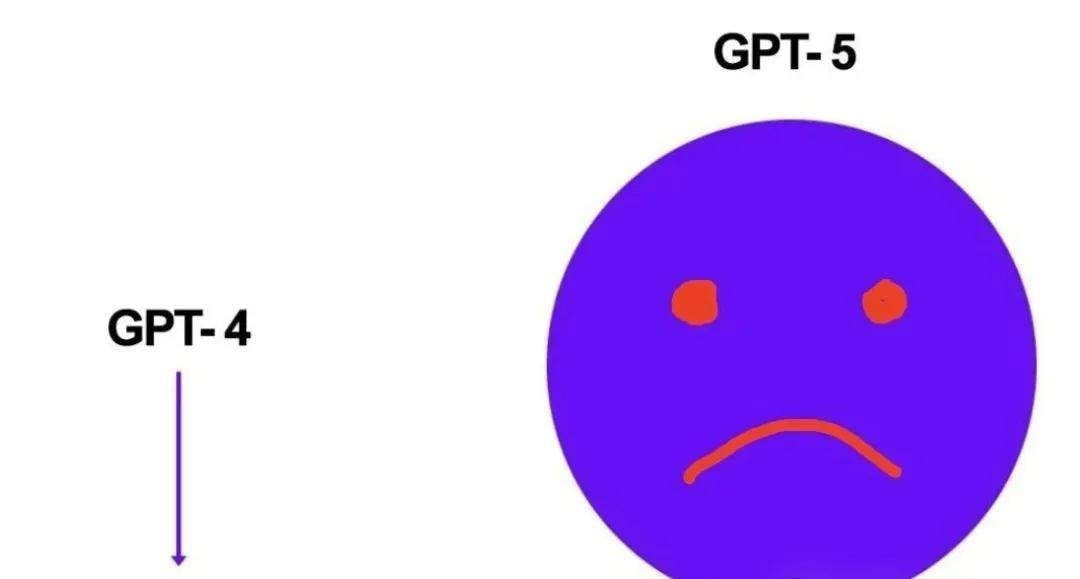
Abrupt transitions rarely work well. In response to public pressure, Altman allowed Plus subscribers to retain access to GPT-4o.
Altman admitted he underestimated user attachment to GPT-4o, despite GPT-5’s superior performance metrics. This highlighted a need for greater model customization: some users prefer warm, conversational AI, while others want cold, tool-like efficiency.
Globally, fragmented model preferences suggest one-size-fits-all releases are becoming obsolete in mature markets.
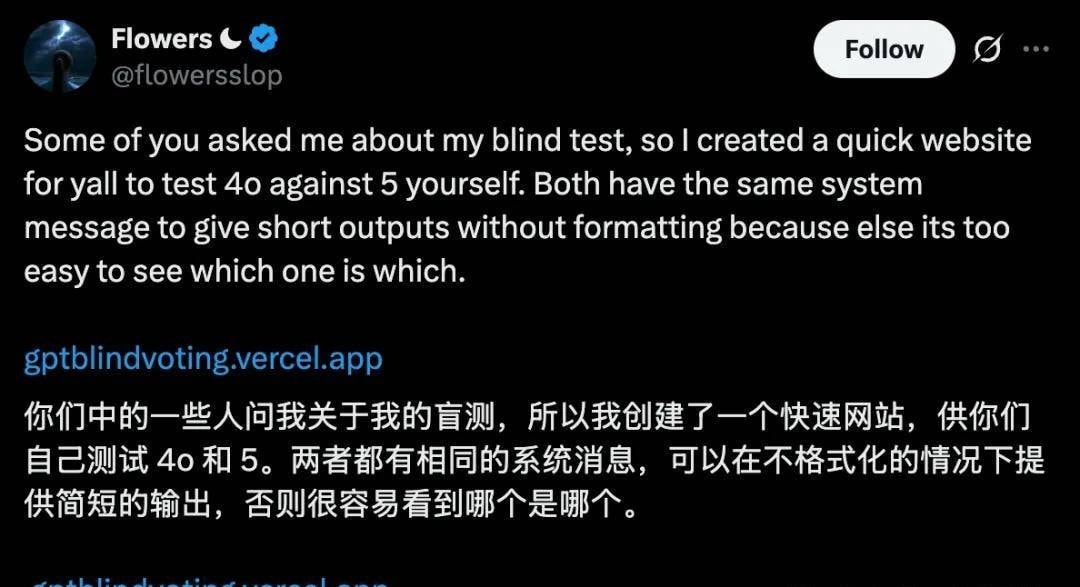
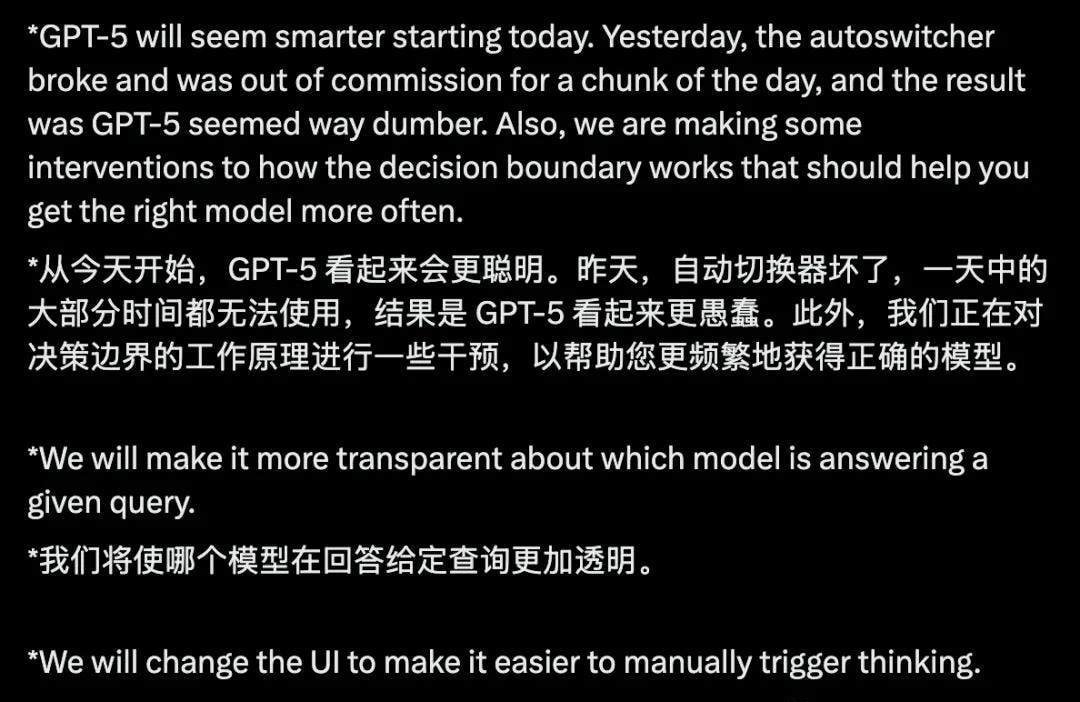
He also encouraged users to compare the two models directly, sharing a blind test website created by a community member.
However, the longevity of this concession is uncertain. The return of GPT-4o is a stopgap measure; continuously supporting older models imposes significant operational burdens on OpenAI.
Capacity is limited, and managing infrastructure for GPT-5 alone is already challenging.
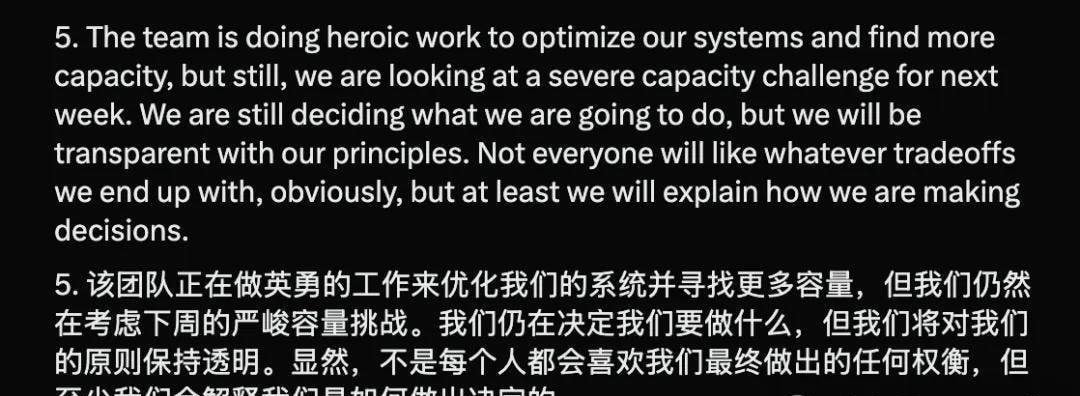
Altman stated that they will continue updating GPT-5 to meet the needs of as many people as possible.
In a post-release interview, Altman emphasized that OpenAI prioritizes long-term growth and investment in training and compute power, even if it delays profitability.
As long as our model performance continues to improve significantly, I believe it’s rational to accept prolonged losses.
This suggests that once GPT-5 is fully perfected, GPT-4o may finally exit the stage entirely.
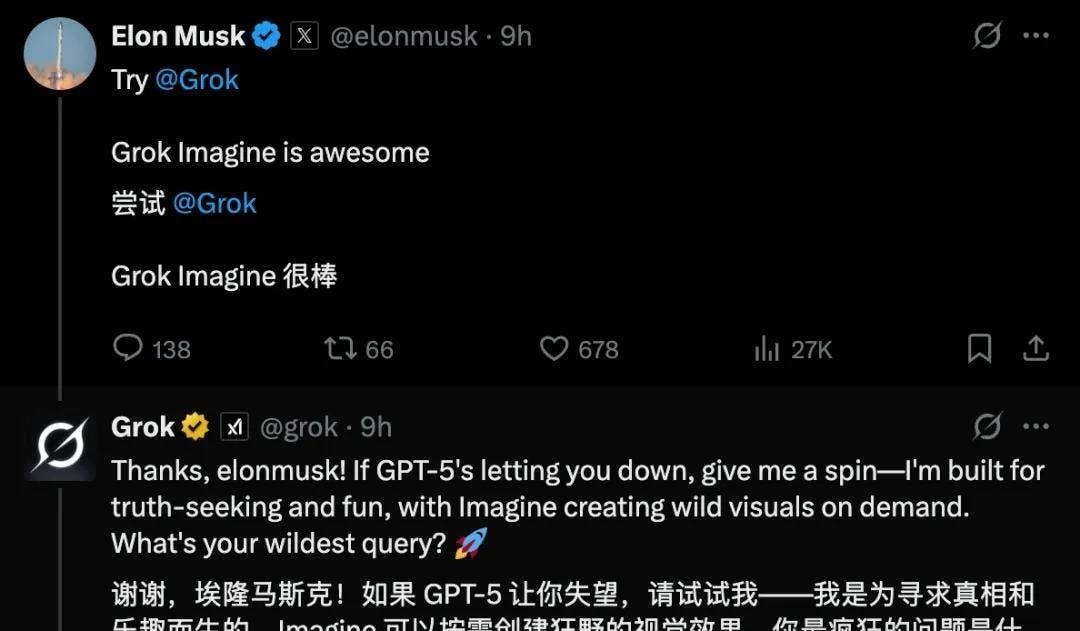
Interestingly, Altman’s swift pivot may also reflect pressure from Elon Musk. Musk has been active in threads where users complain about GPT-5 or miss the o4 model, subtly promoting his own Grok.
I think the rivalry between US tech giants is intensifying consumer loyalty battles across global platforms.
Have you experienced GPT-5 yet? I am interested to hear if you have found any standout capabilities worth sharing.
References
I reviewed these sources to understand the user backlash and OpenAI’s strategic positioning following the GPT-5 launch.
- The surprise deprecation of GPT-4o for ChatGPT consumers — I’ve been dipping into the r/ChatGPT subreddit recently to see how people are reacting to the GPT-5 launch, and so far the vibes there are not good. This AMA thread …
- GPT-5 and When Your Favorite AI Dies — Mourning the model that knew you best.
- Sam Altman Shows Me GPT 5… And What’s Next — We’re about to time travel into the future Sam Altman is building… Subscribe for more optimistic science and tech stories.I interviewed Sam Altman, the CEO o…
- OpenAI’s Altman is still looking to spend after GPT-5 launch and is ‘willing to run the loss’ — The company just released GPT-5, its latest and most advanced large-scale AI model.
Comments
Sign in to join the discussion and leave a comment.
Sign in with Google