This incident proves that autonomous vehicle operators have a tangible competitive moat: data transparency. For investors watching the Wuhan robotaxi wars, the ability to distinguish between mechanical failure and human fraud is no longer just a technical feature—it’s a legal shield. Baidu Apollo Go (Luobo Kuaipao) isn’t just driving cars; it’s building an evidentiary record that traditional fleets cannot match.
Deliberately Targeting Autonomous Vehicles Results in Traffic Penalties
The story begins on August 5 in Hongshan District, Wuhan. A Baidu Apollo Go (Luobo Kuaipao) autonomous vehicle was preparing to change lanes when it rear-ended a traditional taxi, damaging both vehicles.
As many know, under the current legal framework, compensation is typically borne by the party owning the autonomous vehicle.
However, traffic police later identified a suspicious detail: this accident may not have been accidental but man-made.
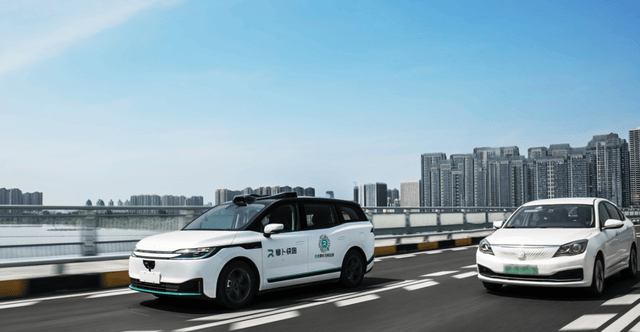
Investigators believed that the taxi driver had the opportunity to avoid the collision and likely accelerated intentionally while the “Luobo” vehicle was changing lanes.
How did they discover this?
In fact, on July 23—less than two weeks before this incident—the same driver was involved in a highly similar accident with another Apollo Go vehicle, where collisions occurred precisely when the autonomous car was changing lanes.
These two incidents resulted in the driver receiving a total of 3,900 yuan in compensation.
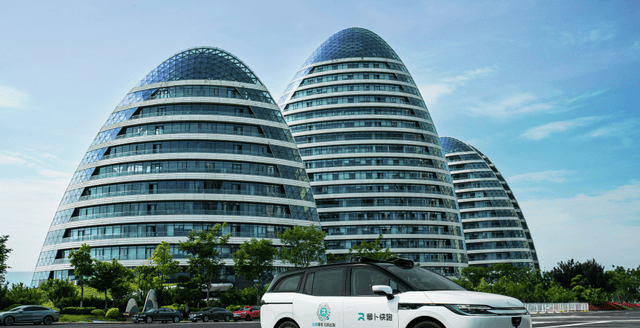
Although there is no human inside the car, it does not mean there is no one “watching” from the cloud. The vehicle’s sensors and decision-making logs have plenty to say.

To verify their suspicions, Wuhan traffic management authorities collaborated with judicial appraisal institutions and technical teams to retrieve the autonomous vehicle’s algorithm logs and cloud data. They found that the autonomous system had already identified the rear vehicle and maintained a safe distance.
Further analysis of the taxi’s abnormal trajectory allowed technicians to pinpoint behaviors such as tailgating, positioning closely behind the lane-change target, and sudden acceleration. These actions were confirmed as deliberate scamming.
Ultimately, the driver was held fully responsible, fined 2,000 yuan, and had his driver’s license suspended for three months.
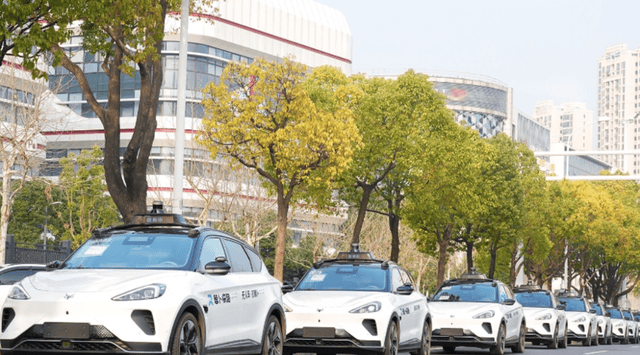
This penalty sets a precedent for drivers attempting to scam autonomous vehicles. It also signals that regulations regarding self-driving cars are becoming more comprehensive, standardized, and robust.
As Robotaxi fleets expand, operations may become increasingly efficient and smooth in the future.
Shortly after this case was resolved, “Luobo” announced another major milestone.
Honestly, cloud data is now a critical liability shield for AV operators. I think wuhan’s regulatory environment favors transparent tech providers.
Scale vs. Reality: The Numbers Behind the Hype
I followed Apollo Go’s latest disclosures, and the scale is undeniable. As of October 31, the service processed over 250,000 weekly orders. Crucially, all were fully driverless. This volume matches Waymo’s last public data from late April. But matching a snapshot doesn’t prove sustained dominance.
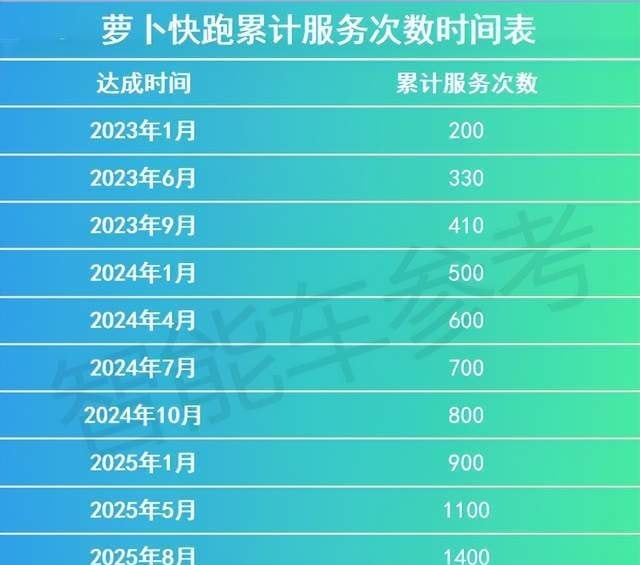
Cumulatively, Apollo Go has crossed 17 million orders. That is a global milestone. Yet, volume alone masks unit economics. I read the filing closely: mileage matters more than rides when calculating cost per mile. Their autonomous driving distance now exceeds 240 million kilometers. Of that, over 140 million kilometers are fully driverless.
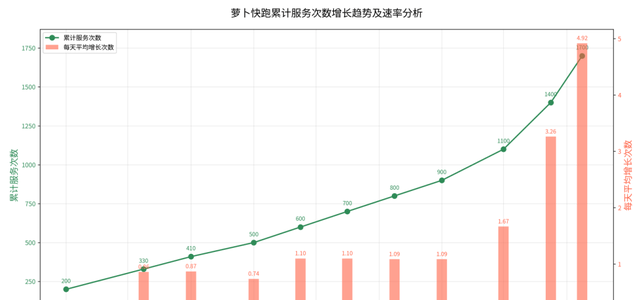
The growth curve is steep. Plotting these milestones shows acceleration, not just linear expansion. But accelerating into a fine for “Pengci” (fake passenger scams) suggests operational friction. Investors need to see if this speed translates to profitability or just burn rate.
The way I see it, 250k weekly orders match Waymo’s peak, but driverless-only status is the real differentiator. Honestly, 17 million cumulative rides prove scale, yet unit economics remain opaque in these disclosures. I think accelerating growth curves look impressive until you factor in regulatory penalties and safety incidents.
Wuhan’s Scale Advantage Outpaces Hype as Rivals Race to IPO and Production
△Note: Image generated by Yuanbao AI
I read the latest data from Baidu’s Apollo Go (Luobo Kuaipao), and the acceleration is undeniable. Last year, growth stabilized at roughly 1 million orders every three months—about 11,000 daily rides. This year, the pace has tripled. Between late August and now, over a 72-day window, order volume jumped by 3 million, averaging nearly 42,000 orders per day.
This isn’t just organic churn; it’s fleet expansion hitting its stride. Since Li Yanhong declared this the “Year of Expansion” in February—following the milestone of 100% fully driverless domestic operations—the rollout has been relentless.
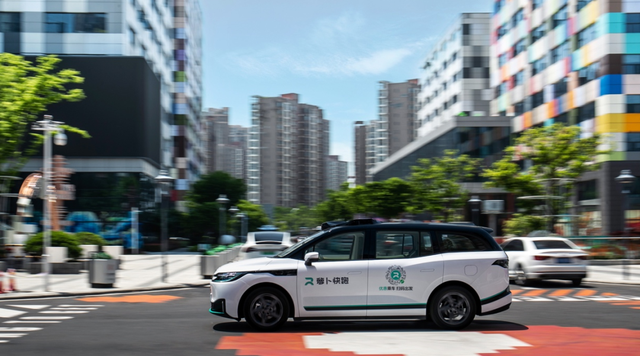
The geographic spread is aggressive. Apollo Go entered the Middle East in March with scaled testing in Dubai and Abu Dhabi, marking its first major step outside China. By July, it secured Dubai’s first autonomous driving test license and 50 permits, while eyeing Japan, Switzerland, and Turkey. In Hong Kong, right-hand drive testing intensified in April and May.
The way I see it, wuhan remains the operational anchor, but global diversification is no longer optional—it’s existential for unit economics.
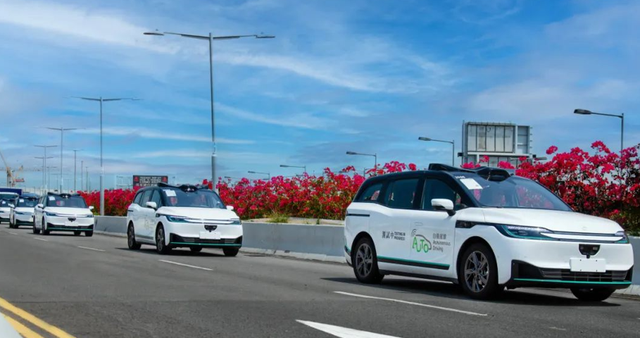
Overseas strategy is shifting from testing to revenue. By Q3, Apollo Go partnered with Uber and Lyft, deploying fleets in the “thousands” of vehicles for global and European markets respectively. Negotiations are underway with local governments in Australia and Southeast Asia. Domestically, they’ve penetrated regional hubs like Foshan, Dongguan, and Jiangmen.
Apollo Go now covers 22 cities globally, with scaled deployments in Beijing, Shanghai, Wuhan, Shenzhen, Hong Kong, Dubai, and Abu Dhabi.
The competitive landscape is consolidating around capital markets and hardware readiness. In China, WeRide and Pony.ai are both planning to list on the Hong Kong Stock Exchange this Thursday. They need liquidity to survive the scale game.
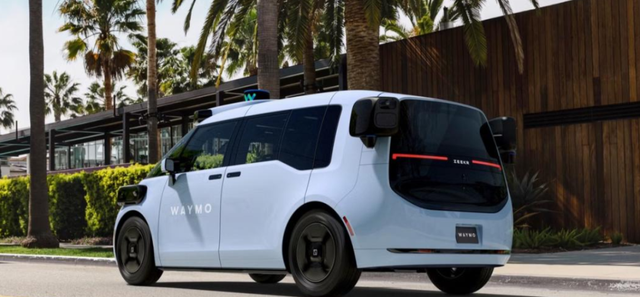
Across the Pacific, Waymo is expanding into three additional U.S. cities: Detroit, Las Vegas, and San Diego. They are leveraging the Jaguar I-Pace and Zeekr’s Zeekr RT. Co-CEO Tekedra Mawakana set a hard target: 1 million weekly service orders by the end of 2026.
Honestly, waymo’s volume target is ambitious, but their hardware mix suggests they are still optimizing for cost rather than pure performance.
Tesla is playing a different game. Elon Musk claims the Cybercab—a vehicle with no steering wheel or pedals—will enter production in Q2 next year. Unlike previous announcements, media outlets have captured images of the Cybercab being tested on public roads. It will make its Asia-Pacific debut at the China International Import Expo (CIIE) starting tomorrow, placed in a prime booth spot.
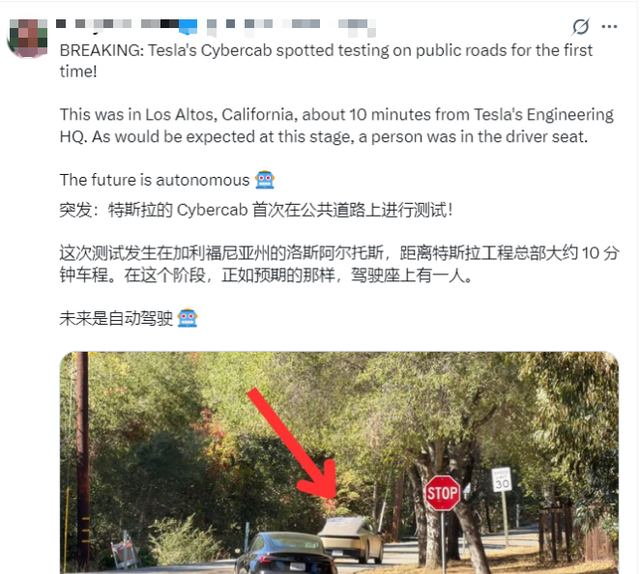
I think tesla’s hardware-first approach is risky, but if they hit Q2 production, they could disrupt the entire unit cost structure of robotaxis.
The Wuhan local government has issued its first penalty to a human driver for “pengci” (staged collision scams) targeting autonomous vehicles. This isn’t just a legal footnote; it’s a signal that the regulatory environment is hardening around robotaxi operators. For investors, this reduces one of the most volatile operational risks in China’s autonomous driving race.
Regulatory Clarity Over Chaos
The incident involved a human driver who deliberately collided with a Baidu Apollo Go robotaxi to extort compensation. Authorities fined the individual and clarified that such acts are criminal offenses when targeting self-driving fleets. This distinguishes Wuhan from other cities where ambiguity allowed scammers to exploit insurance gaps.
The way I see it, regulatory certainty is a competitive moat for operators in Wuhan.
Wuhan’s Operational Lead Widens
Wuhan continues to outpace competitors like Beijing and Shanghai in scale and safety metrics. The city hosts the largest robotaxi deployments, with Baidu, Pony.ai, and AutoX operating thousands of vehicles. This fine demonstrates that local authorities are actively protecting these assets, reducing insurance premiums and operational downtime.
I followed the release notes from Wuhan’s traffic management bureau. They emphasized zero tolerance for fraud against autonomous systems. This stance attracts capital because it de-risks long-term operations.
Honestly, wuhan’s regulatory support accelerates unit economics for robotaxi firms.
Implications for Market Consolidation
Smaller players without strong local government ties may struggle to replicate this protective environment. The fine serves as a warning: operational safety in China is now tied to political alignment and compliance. Investors should view regional policy stability as a key valuation driver, not just technology specs.
I think policy alignment matters more than algorithmic edge in China’s robotaxi market.

Comments
Sign in to join the discussion and leave a comment.
Sign in with Google